Wondering whether a second home in Laguna Beach is a smart move or just a dream with a view? In this market, it can be both, but only if you buy with a clear plan. Laguna Beach offers a rare mix of coastline, art-centered culture, and highly varied micro-locations, so the right fit depends on how you want to live, use, and hold the property over time. Let’s dive in.
Why Laguna Beach Stands Out
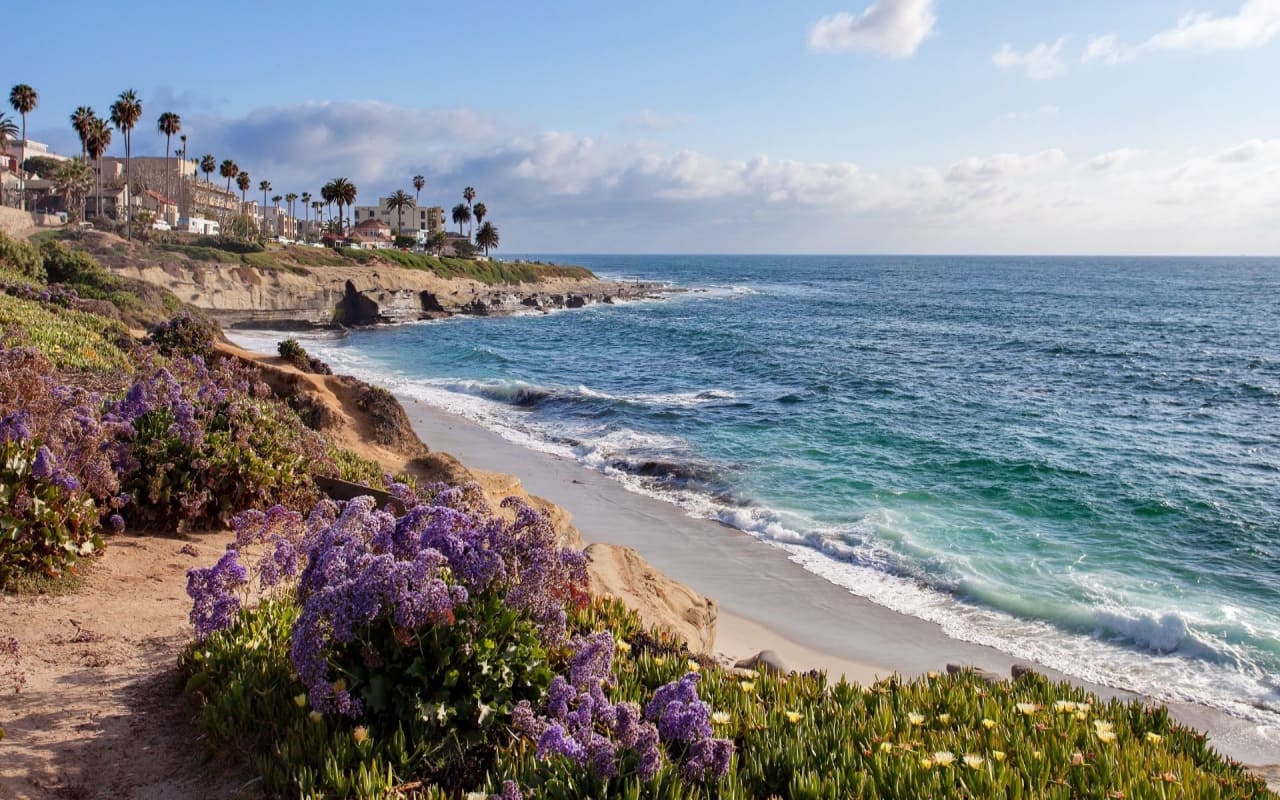
Laguna Beach is not a one-note coastal market. The city is known for its historic artist roots, seven miles of protected coastline, 22,000 acres of protected wilderness, and more than 100 galleries and artist studios. That gives you a second-home experience that feels distinctive, not interchangeable with other beach towns.
It is also a city of meaningful micro-markets. Laguna Beach is divided into 13 sub-areas and 38 neighborhoods, which means your day-to-day lifestyle can shift significantly depending on where you buy. For a second-home purchase, that makes location strategy just as important as the home itself.
Start With Your Second-Home Goals
Before you focus on finishes, views, or architecture, define how you want the home to serve you. A second home in Laguna Beach should usually be evaluated as a lifestyle asset first and a real estate asset second. Your ideal property depends on how often you plan to use it, how much maintenance you want to manage, and whether resale or rental flexibility matters to you later.
A simple framework can help you narrow your search:
- Frequent personal use: prioritize comfort, easy access, and a layout that fits your routine
- Part-time, lock-and-leave use: focus on maintenance, security, parking, and ease of ownership
- Longer-term flexibility: verify zoning, permit status, and any HOA limits before assuming rental potential
- Future resale appeal: consider how location, access, and property type may affect the next buyer pool
Compare Laguna Beach Location Types
Oceanfront and Near-Beach Homes
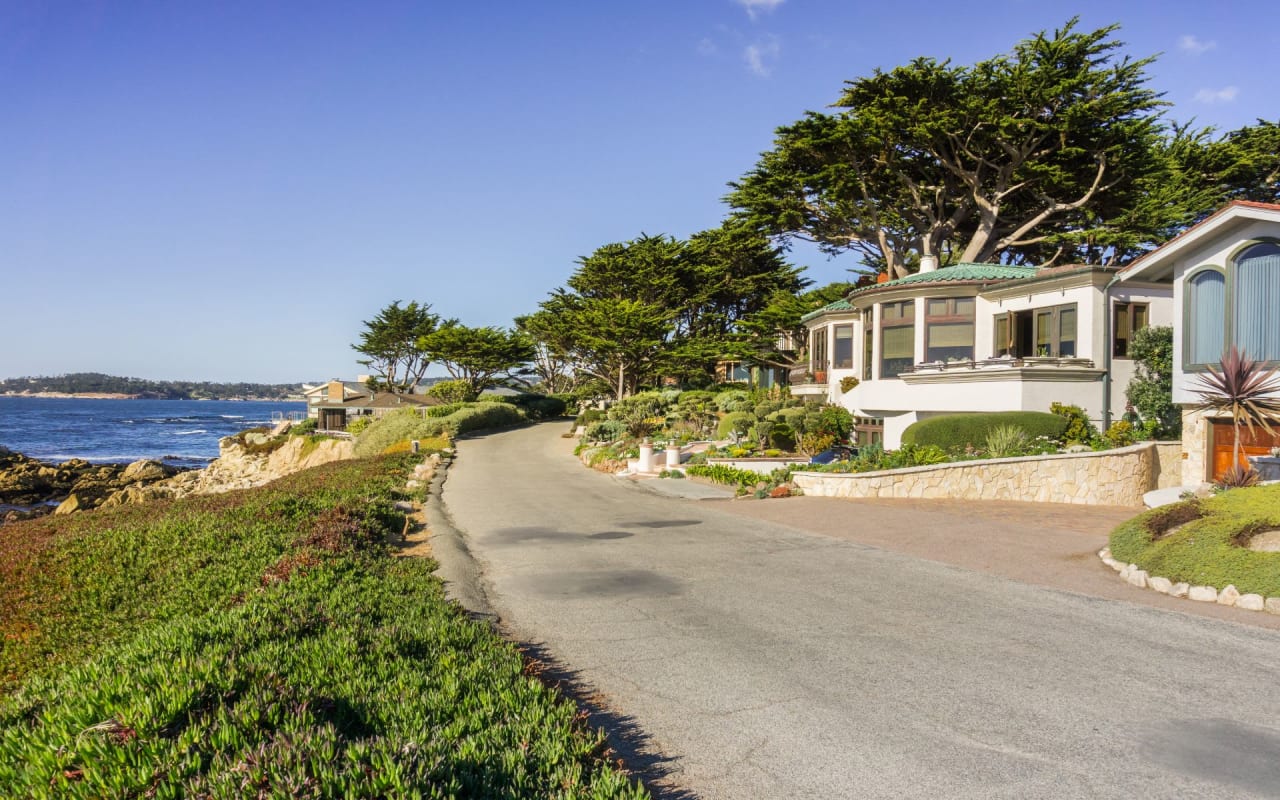
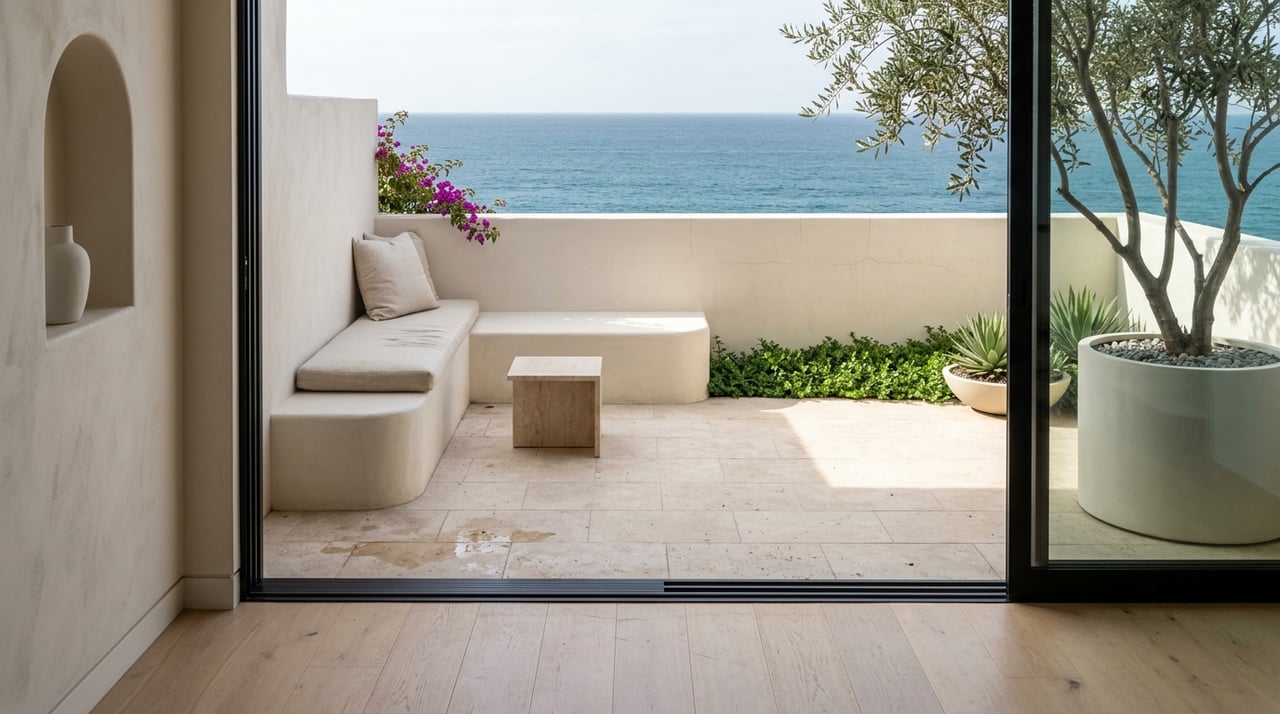
If your vision of a second home includes direct coastal living, oceanfront and near-beach properties deliver the classic Laguna Beach experience. These locations often offer immediate access to the shoreline and the kind of views many buyers picture from the start.
That lifestyle comes with tradeoffs. The city notes that coastal neighborhoods experience the strongest marine climate influence, and salt-laden ocean winds can affect the coastline edge. In practical terms, you should expect weather exposure and maintenance to play a larger role in ownership.
For some buyers, that is an easy trade. For others, especially if the home will sit vacant for stretches of time, maintenance planning becomes a key part of the decision.
Best fit for oceanfront living
Oceanfront or near-beach homes may be a strong match if you:
- Want a view-driven, beach-first lifestyle
- Plan to use the home regularly
- Are comfortable with higher exterior maintenance exposure
- Value proximity to the shoreline over easier day-to-day logistics
Hillside and Canyon Homes
Hillside living offers a different version of Laguna Beach. The city identifies neighborhoods such as Mystic Hills and Temple Hills as highly visible from lower elevations, while hilltop areas such as Top of the World and Arch Beach Heights sit closer to inland natural areas and are generally more arid.
These homes can offer privacy, elevation, and broad outlooks, but they also require a practical review. Laguna Beach’s 2025 Fire Hazard Severity Zone maps identify Moderate, High, and Very High hazard areas across the city, and the City recommends that residents study evacuation routes before they need them.
If you are buying a lock-and-leave second home, hillside ownership should be reviewed through a preparedness lens. Fire hardening, driveway conditions, access, and evacuation planning all matter before you close.
What to review with hillside properties
- Fire hazard zone designation
- Evacuation route planning
- Driveway access and vehicle clearance
- Exterior materials and fire-hardening features
- How easy the property is to monitor while you are away
Village and Downtown Homes
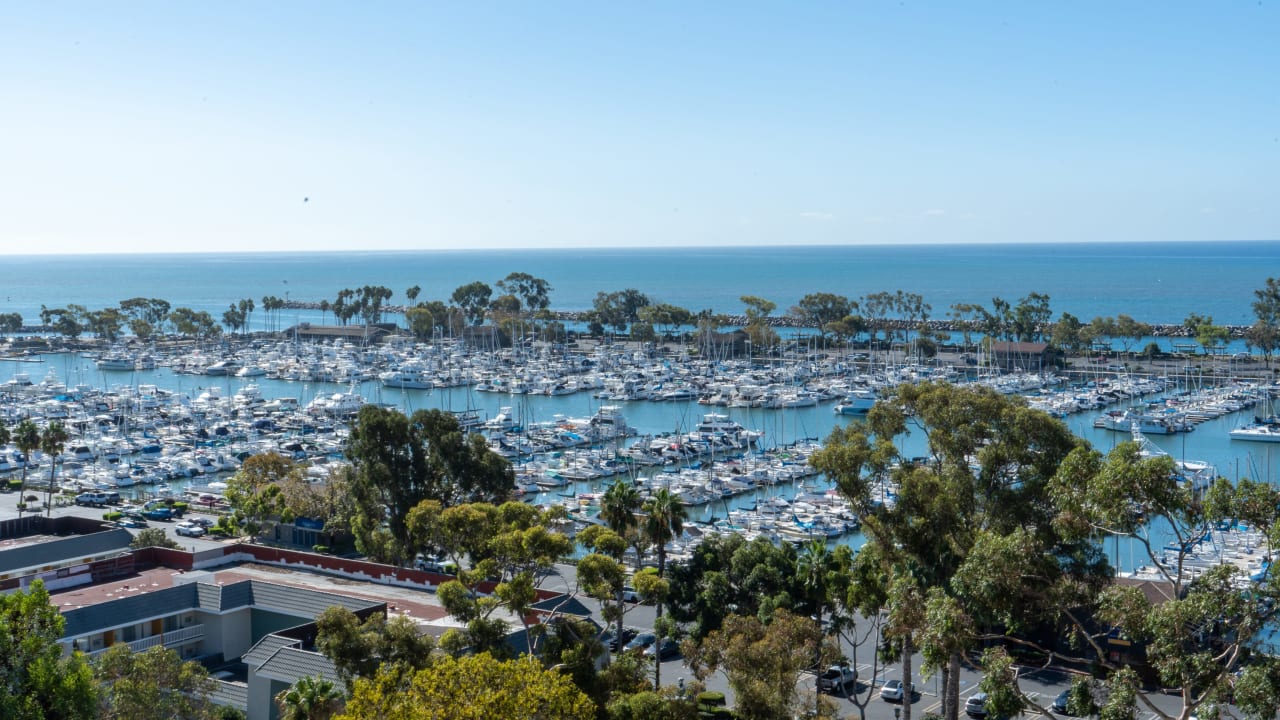
For many second-home buyers, the village offers the easiest lifestyle rhythm. Downtown Laguna Beach sits close to galleries, studios, community events, and year-round free trolley service. If you want a home that lets you arrive, park, and enjoy the area on foot, this part of town can be especially appealing.
Parking is one detail you should not overlook. The city’s parking program shows that residential parking is tightly managed, with select downtown and Coast Highway addresses eligible for permits that allow meter parking within one block of the residence for up to 24 hours. That can support part-time ownership, but it also means parking logistics should be confirmed before you buy.
Village living may suit you if you want
- Walkability and low-drive convenience
- Easy access to galleries, dining, and local events
- A second home that feels active and connected
- Less dependence on a car during your stays
HOA or Independent Ownership?
This is one of the biggest quality-of-life decisions for a second-home buyer. In California, HOAs make and enforce rules for subdivisions, planned communities, and condominium buildings. Owners usually must join, pay dues and assessments, and follow the community’s CC&Rs.
That structure can be attractive if you want a more managed ownership experience. Common-area standards are maintained, and some maintenance responsibilities may be more centralized. The tradeoff is that you will likely have less flexibility than you would with a stand-alone property.
Independent ownership gives you more control, but it usually gives you more to manage as well. If you expect to be away for long stretches, think honestly about vendor coordination, landscaping, pool care, and security monitoring before choosing a free-standing home.
A simple way to decide
| Ownership style | Potential upside | Key tradeoff |
|---|---|---|
| HOA community | More centralized rules and common-area management | Less flexibility, dues and assessments |
| Independent home | Greater control over the property | More hands-on maintenance and oversight |
Financing a Second Home in Laguna Beach
Financing rules matter early, especially in a market where price points can move beyond standard conforming ranges. Fannie Mae says a second home must be occupied by the borrower for some portion of the year, be suitable for year-round occupancy, remain under the borrower’s exclusive control, and cannot be a rental property or timeshare arrangement.
Fannie Mae also states that rental income may exist, but it cannot be used for qualifying if the loan is being delivered as a second home. That means your financing strategy should match your intended use from the beginning.
Orange County’s 2026 one-unit conforming loan limit is $1,249,125. In Laguna Beach, many financed purchases will exceed that threshold and move into jumbo or other nonconforming underwriting. Gift funds may be used for a principal residence or second home, but not for an investment property.
Tax Costs to Budget For
Second-home buyers are often focused on down payment, insurance, and furnishing costs. In California, property tax planning also deserves close attention. Property taxes are based on assessed value, and for most property the annual tax rate is 1 percent plus additional voter-approved local debt rates.
When ownership changes or new construction is completed, the assessor reassesses to market value. The property is also placed on the supplemental roll, which can create an additional bill. That supplemental bill goes to you, not your lender, even if your mortgage includes an impound account.
It is also important to know what does not apply. The California homeowners’ exemption applies only to a dwelling occupied as the owner’s principal place of residence, so a second home generally does not qualify. Annual tax bills may also include special assessments or other direct levies separate from the ad valorem tax.
At the federal level, IRS Publication 936 says mortgage interest is deductible only on secured debt tied to a qualified home, which can include a main home or second home. For home acquisition debt secured after December 15, 2017, the combined limit is $750,000. The IRS also states that SALT deductions are capped and HOA fees are not deductible as taxes.
Understand Rental Rules Before You Buy
If rental income is part of your long-term plan, verify every assumption before closing. Laguna Beach’s short-term lodging rules changed materially in 2025. The City states that short-term lodging is no longer allowed in R-1, R-2, and R-3 residential districts.
Permitted commercial and mixed-use districts remain subject to city permits, operational rules, and citywide caps. The City also says existing permitted residential short-term lodging units are legal nonconforming and that the use runs with the land.
Short-term lodging operators must hold a Short-Term Lodging Unit License, a city business license, the required permit, and TOT registration. The City states that commercial and mixed-use short-term lodging conversions are capped at 20 percent of units, with a maximum of 300 citywide, and it allows an additional 165 home-share units in qualifying single-family, duplex, and triplex dwellings located within permitted commercial and mixed-use districts.
The city currently collects a total of 14 percent in taxes and assessments on rental revenue, made up of 12 percent TOT and 2 percent LBTMD. Quarterly reporting is required even if no rentals occur.
Just as important, city approval is not the only layer. A property can still be limited by private HOA rules even if the city allows a use, so you should verify both CC&Rs and municipal zoning before you count on any rental plan.
What Smart Buyers Verify Before Closing
A well-chosen second home should feel calm, not complicated. The best way to get there is to confirm the practical details early, especially in a market with varied neighborhoods, parking rules, hazard zones, and rental restrictions.
Use this pre-closing checklist as a guide:
- Confirm how you plan to use the home each year
- Review the specific neighborhood’s lifestyle and access patterns
- Check parking rules, especially in village and downtown locations
- Review fire hazard information and evacuation planning for hillside areas
- Understand whether the property is in an HOA and request CC&Rs
- Verify whether any rental use is allowed by both the city and the HOA
- Budget for supplemental property taxes and ongoing assessments
- Match your loan structure to true second-home use
A Second Home That Fits the Way You Live
Buying a second home in Laguna Beach is rarely just about owning a place near the coast. It is about finding the version of Laguna Beach that fits your pace, priorities, and long-term plans. Whether you are drawn to the shoreline, the hillsides, or the village, the strongest purchase is one that balances lifestyle with clear-eyed due diligence.
If you are thinking about a second home in Laguna Beach and want a polished, local perspective on which areas and property types best fit your goals, [Danielle Wilson] can help you navigate the options with clarity and confidence.
FAQs
What makes Laguna Beach appealing for a second home?
- Laguna Beach offers seven miles of protected coastline, 22,000 acres of protected wilderness, a strong arts identity, and meaningful neighborhood variety, which gives second-home buyers a wide range of lifestyle options.
What should buyers consider about hillside homes in Laguna Beach?
- Buyers should review fire hazard zone information, evacuation planning, driveway and access conditions, and fire-hardening features, especially if the home will be vacant for periods of time.
Are short-term rentals allowed for second homes in Laguna Beach?
- Short-term lodging is no longer allowed in R-1, R-2, and R-3 residential districts, while some commercial and mixed-use districts may allow it subject to permits, caps, licenses, and tax registration.
Can an HOA limit rental use in a Laguna Beach second home?
- Yes. Even if the city allows a rental use, private HOA rules and CC&Rs may still restrict or prohibit it.
How are property taxes handled on a second home in California?
- For most property, the annual tax rate is 1 percent of assessed value plus additional voter-approved local debt rates, and a change in ownership can trigger reassessment and a supplemental tax bill sent directly to the owner.
Do second homes in Laguna Beach qualify for the California homeowners’ exemption?
- Generally no. The California homeowners’ exemption applies only to a dwelling occupied as the owner’s principal place of residence.