Wondering whether a San Clemente vacation rental is a smart investment or a costly assumption? In this market, the answer depends less on beach-town appeal and more on zoning, permits, seasonality, and day-to-day operations. If you are thinking about buying a property for short-term rental income in San Clemente, this guide will help you understand what is actually allowed, what the numbers may look like, and what to evaluate before you make an offer. Let’s dive in.
Why San Clemente draws investors
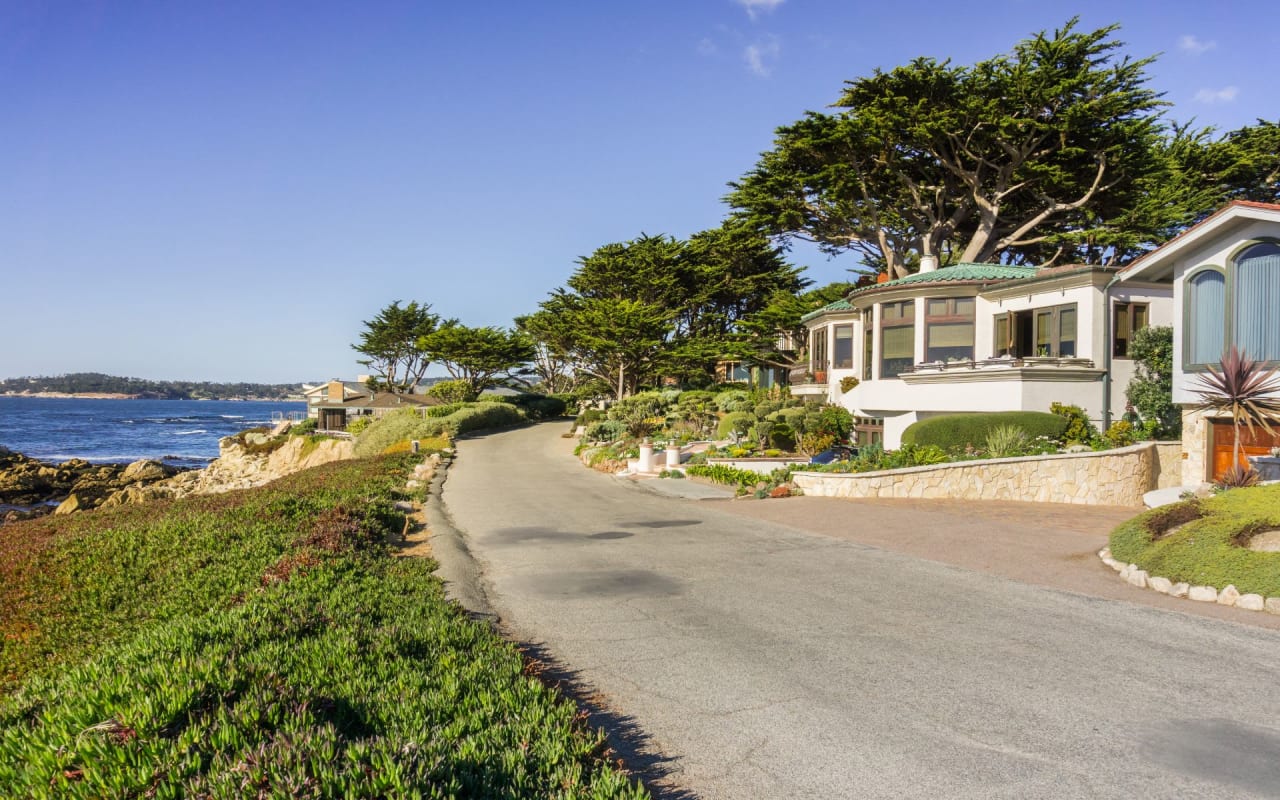
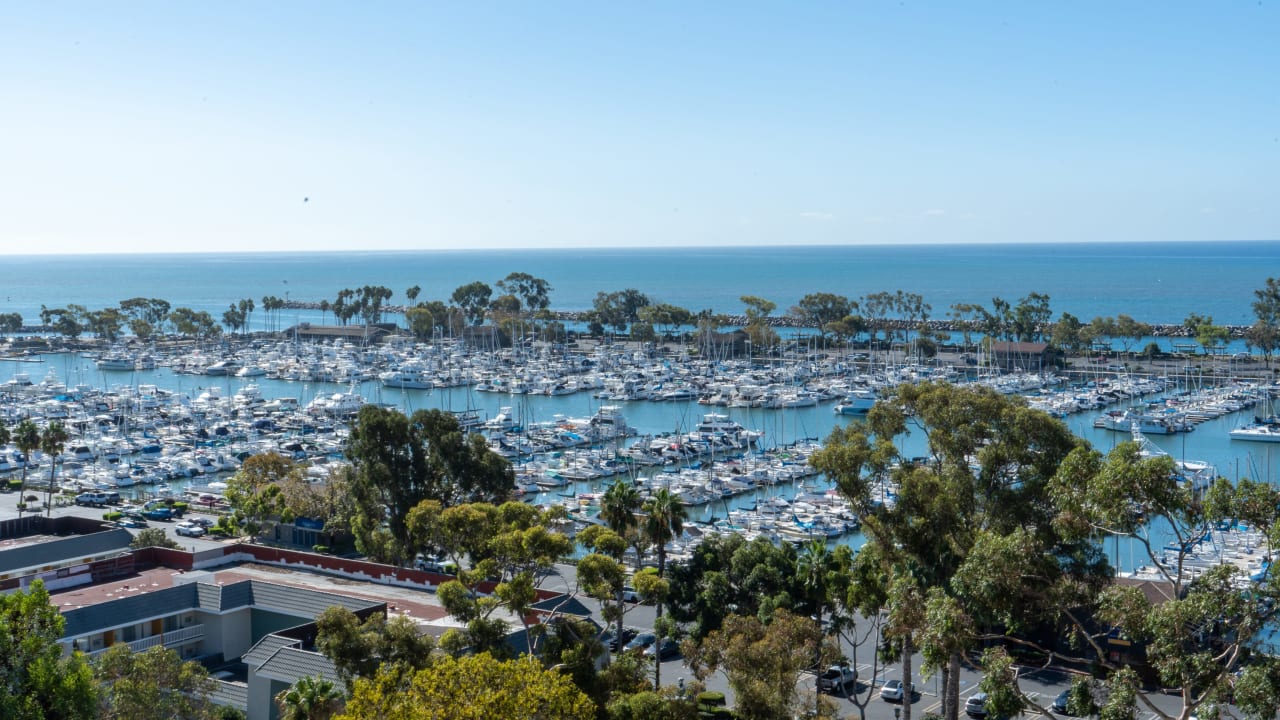
San Clemente has the kind of coastal appeal that naturally attracts vacation demand. Visitors are often looking for beach access, ocean views, and whole-home stays that work well for families or small groups.
Current market data also shows a vacation-rental format that fits that demand. According to AirROI’s San Clemente market report, 91.8% of active rentals are entire homes or apartments, with condos and apartments making up 49.7% of listings and houses accounting for 40.9%.
That said, San Clemente is not a wide-open short-term rental market. The city regulates vacation rentals closely, so the right investment starts with legal eligibility, not just location or design.
San Clemente rental rules first
If you are investing in San Clemente vacation rentals, the first question is simple: Can this specific property legally operate as a short-term rental? The city defines short-term lodging as a dwelling rented for 29 or fewer consecutive days under a single rental contract, and it allows these uses only in certain mixed-use and multi-family residential zones, according to the city’s short-term lodging materials.
In general, single-family homes in low-density residential zones are not permitted to operate as short-term lodging units. The city also notes that buyers should verify the current code because the zoning amendment governing these uses had been extended through July 1, 2026, making up-to-date confirmation especially important before you rely on rental projections.
The city also distinguishes between standard short-term lodging units and Short-Term Apartment Rentals, or STARs. As outlined by San Clemente Planning Services, STARs are limited to certain multi-family situations where the owner or a trained property manager lives on site.
Why zoning matters so much
In some beach markets, buyers assume a well-located home can become a vacation rental with a few upgrades and a listing setup. San Clemente works differently.
A property’s zoning, building type, and in some cases HOA requirements all affect eligibility. That means an attractive beach-close home is not automatically a legal vacation rental, even if similar homes nearby appear to be operating that way.
For investors, this changes the acquisition process. You are not just buying for layout, view, or proximity to the coast. You are buying a property that must clear a compliance test before it can generate short-term rental income.
Permits and operating requirements
If a property is eligible, you still need approvals before any bookings can begin. The city states that a standard short-term lodging unit requires a one-time zoning permit and an annual operating license, with current public materials showing a $140 permit processing fee and a $105 annual operating license fee, as described in the city guide.
The same guide says a complete zoning permit application typically takes 30 to 60 days to process. After that, the operating license usually takes another 2 to 4 weeks.
The application process requires documentation that goes beyond a basic ownership record. You may need:
- A site plan or aerial photo
- A floor plan
- A seasonal rate schedule
- A diagram of legal off-street parking spaces
- Written HOA approval, if the property is in an HOA
After conditional approval, the city requires notice to neighboring property owners within 300 feet. The city also makes clear that operation cannot begin until both approvals are fully issued.
Ongoing compliance is not optional
Running a legal vacation rental in San Clemente means meeting operating standards every year, not just getting approved once. The operating license application requires owners to identify the maximum number of overnight renters, list legal parking spaces, maintain vacation-rental insurance, post house rules, and keep a 24-hour emergency contact who can respond within 30 minutes if needed.
Certain uses are also prohibited. The city says the unit may not be used for weddings, bachelor or bachelorette parties, conferences, or similar events.
This is also important for buyers looking at a currently operating rental. The city states that a short-term lodging permit expires if ownership changes, if the use stops for one year, or if the operating license is not renewed or is revoked. In practical terms, you should not assume a seller’s permit transfers with the sale.
Revenue and occupancy expectations
San Clemente can produce meaningful income, but the data points vary enough that conservative underwriting matters. AirROI reports average annual revenue of $50,708, average occupancy of 45.0%, an ADR of $384, and an average booking lead time of about 54 days.
That same research summary notes that AirDNA’s market page shows different figures, including 60% occupancy and $38.7K in annual revenue. Rather than treating one source as a guarantee, it is smarter to use these numbers as a range and compare them against live comps, property condition, and legal status.
Here is the bigger takeaway: San Clemente is a seasonal leisure market, not a flat year-round revenue machine. Your cash flow will likely rise and fall with the calendar.
Seasonality affects your returns
According to AirROI’s market data, peak season is typically June through August. During that period, occupancy runs around 60.2% with average monthly revenue near $8,289.
Slower months are usually January, February, and November. In those periods, occupancy averages about 42.6% and monthly revenue is closer to $4,327.
Average stays are about 7.3 nights, which means more frequent turnovers than many long-term rentals. That creates extra cleaning coordination, tighter calendar management, and a greater need for smart pricing.
Best-fit property types
Market inventory gives some useful clues about what tends to fit guest demand. AirROI reports that 1-bedroom and 2-bedroom properties make up 59.6% of active listings, while 32.8% offer 3 or more bedrooms.
Guest-capacity data also shows that 6-guest homes are the most common setup, and properties that host 6 or more guests make up 46.7% of the market. For many investors, that suggests a practical sweet spot: a legally eligible whole-home property with enough space for a family trip or a small-group stay.
The report also points to active areas such as Downtown San Clemente, North Beach, Southwest San Clemente, San Clemente State Beach, Talega, Marblehead, and Forster Ranch. Still, zoning and HOA rules remain the deciding factor, so neighborhood popularity should never replace parcel-level verification.
Amenities that help a rental compete
In San Clemente, a vacation rental needs to feel more like a hospitality product than a furnished house. The strongest listings cited in the market data tend to be entire-place homes near the beach or on the bluff, often paired with features like ocean views, hot tubs, yards, bikes, and convenient beach access.
AirROI also notes that guests expect basics such as Wi-Fi, TV, smoke alarms, carbon monoxide alarms, and heating. Features like a hot tub, dedicated workspace, and EV charging may help a listing stand out.
That matters when you are budgeting for the purchase. Furnishing, setup, photography, supplies, and guest-ready presentation are part of the investment model, not optional finishing touches.
Taxes and operating costs
Before you buy, make sure your pro forma reflects taxes and compliance costs accurately. San Clemente’s Transient Occupancy Tax page states that the city charges a 10% transient occupancy tax for both hotels and short-term lodging units, with STLU returns filed quarterly and due within 30 calendar days after each quarter ends.
The city also says operators must keep records for four years. Its short-term lodging materials note that the tax applies to rent and related charges such as cleaning fees and key charges.
If you plan to mix personal use with rental use, tax treatment gets more complex. The IRS Topic 415 guidance explains that rental expenses may include maintenance, insurance, taxes, interest, management fees, advertising, utilities, cleaning, and repairs, but those expenses generally must be allocated between rental and personal use when you use the property yourself.
There is also a property-tax consideration many buyers overlook. According to the Orange County Assessor’s Proposition 13 guidance, a purchase usually triggers reassessment and may result in a supplemental assessment, so you should model property taxes from your acquisition price rather than the seller’s current tax bill.
This is an operations-heavy investment
San Clemente vacation rentals can work well, but they are rarely passive. City rules require insurance, posted house rules, legal parking, and responsive local oversight, while the market itself rewards strong presentation, active pricing, and reliable turnover.
That is why successful properties are often run more like small hospitality businesses than conventional rentals. If your goal is flexible personal use plus income, San Clemente may be appealing, but only if you are prepared for compliance, furnishing costs, guest communication, and seasonal revenue swings.
How to evaluate a property before you buy
If you are considering an investment here, focus on the factors that truly affect performance and legality:
- Confirm the parcel’s zoning and current short-term rental eligibility
- Review HOA rules, if applicable
- Verify legal off-street parking
- Estimate revenue using conservative seasonal assumptions
- Budget for furnishing, insurance, cleaning, and management
- Model TOT obligations and updated property taxes after purchase
- Confirm whether your intended use includes any personal occupancy and how that may affect tax treatment
A beautiful property in the wrong zone is not an investment strategy. A legally eligible property with the right layout, parking, and guest appeal is a much stronger starting point.
Final thoughts on San Clemente rentals
Investing in San Clemente vacation rentals can make sense if you approach the market with clear expectations. The strongest opportunities are usually legally eligible properties in the right zone, with beach-driven lifestyle appeal, enough room for families or small groups, and an owner who understands that compliance and operations are part of the business.
If you want help identifying properties that align with your goals in San Clemente and the broader South Orange County coast, connect with Danielle Wilson for informed, concierge-level guidance tailored to your investment strategy.
FAQs
What makes a property eligible for a San Clemente vacation rental?
- A property must meet the city’s short-term lodging rules, which generally allow these uses only in certain mixed-use and multi-family residential zones, subject to current code requirements.
Can you use a single-family home as a short-term rental in San Clemente?
- In general, the city says single-family homes in low-density residential zones are not permitted to operate as short-term lodging units.
Do San Clemente vacation rental permits transfer to a new owner?
- No. The city states that the permit expires if ownership changes, so a buyer should not assume an existing permit transfers with the sale.
How seasonal is vacation rental income in San Clemente?
- Market data shows stronger performance in summer, especially June through August, with slower occupancy and lower revenue in months like January, February, and November.
What taxes apply to a San Clemente short-term rental?
- San Clemente charges a 10% transient occupancy tax on eligible short-term lodging revenue, and operators are generally required to file returns quarterly.
What should you budget beyond the purchase price for a San Clemente vacation rental?
- You should plan for permitting, insurance, furnishing, cleaning turnover, management, taxes, and property-tax reassessment based on your acquisition price.