That shimmer of blue on the horizon can change a price tag. If you are buying or selling in San Clemente, the question is not whether an ocean view adds value, but how much and why. You want a clear framework so you can price with confidence, negotiate smartly, and avoid surprises. In this guide, you will learn how views are valued here, how to estimate a premium using real comps, and what local risks can move the number up or down. Let’s dive in.
What drives ocean‑view value
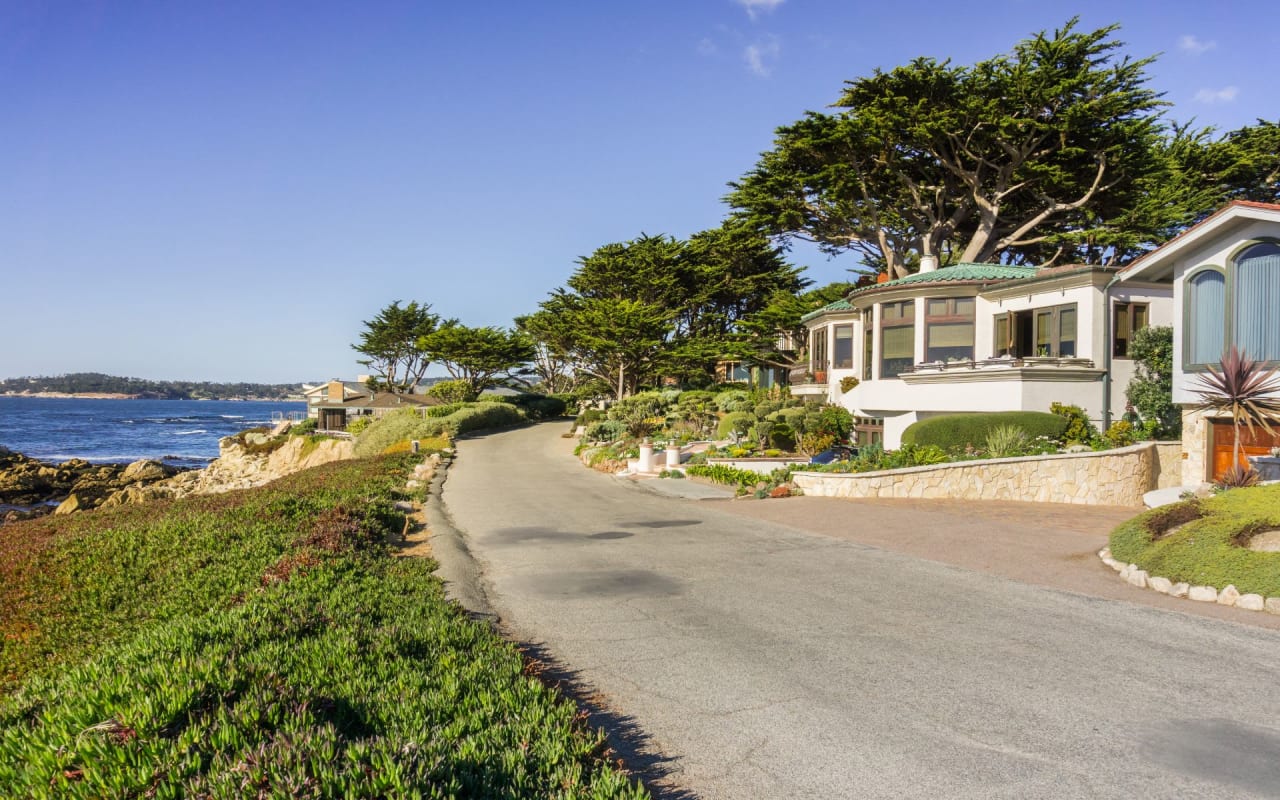
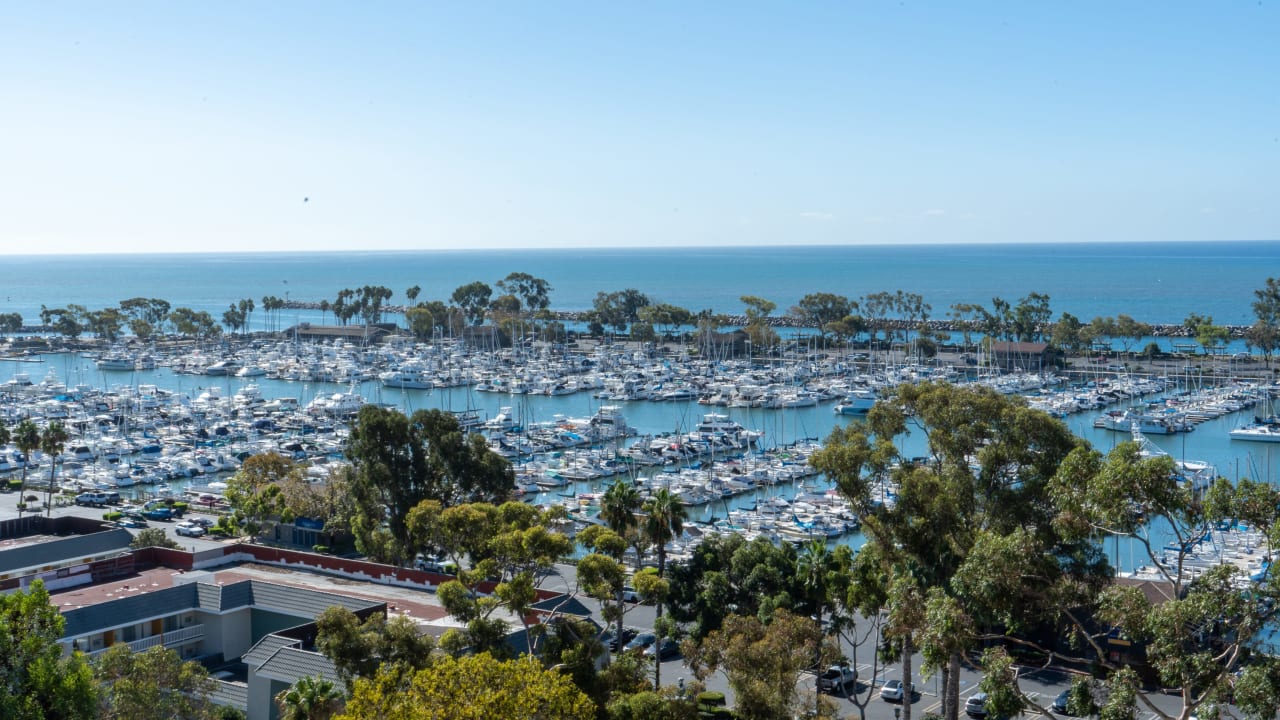
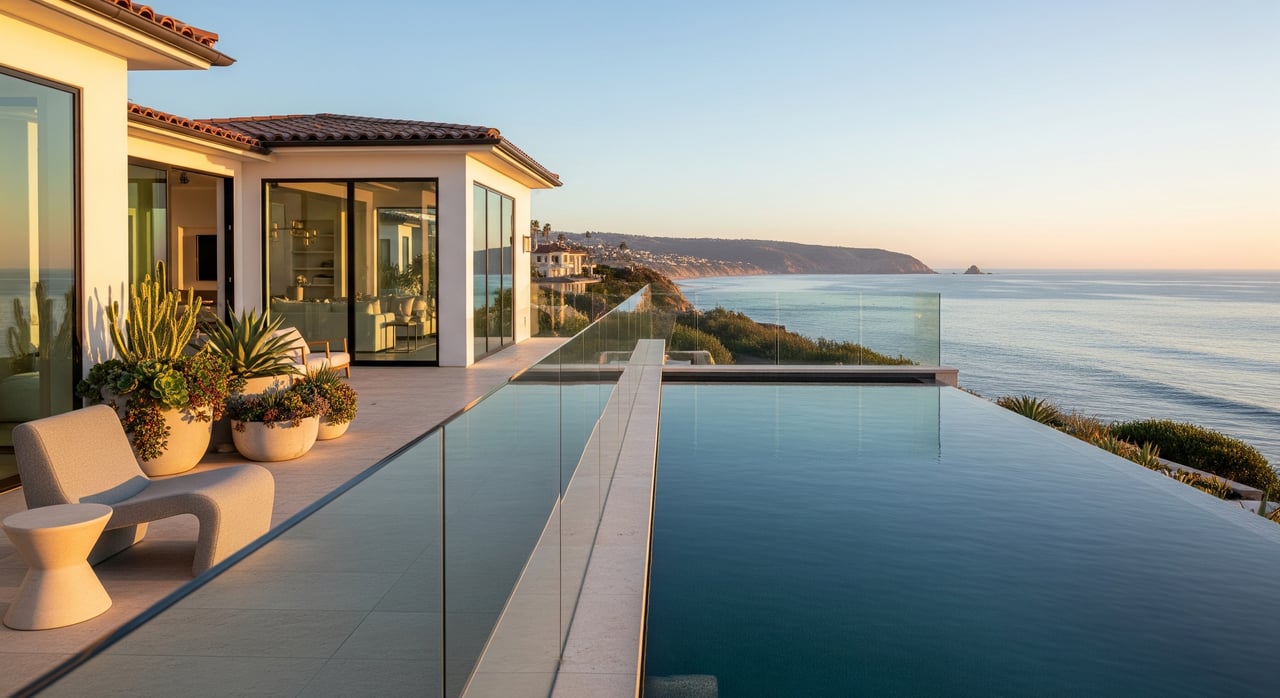
San Clemente’s coastline offers many kinds of views, and each carries a different premium. The strongest driver is view type and orientation. Direct oceanfront combines unobstructed views with immediate access and typically sits at the top of the market. Bluff‑top properties with clean, wide corridors follow. Elevated hillside homes with distant horizon views still earn a premium, especially if the sightline is broad. Partial or intermittent views bring a smaller bump. West‑facing views that capture sunsets often rank higher in buyer preference than oblique angles.
Distance to sand and walkability matters. A short, easy walk to the beach or the Pier feels different than a steep path or a long drive, even if the view looks similar from the deck. A private stair or a community access easement adds tangible utility that pushes value beyond the view alone.
The permanence of the view corridor is critical. If nearby growth, tree lines, or potential development could block your sightline, buyers will discount the price. Corridors that are protected by zoning, coastal setback limits, or the simple fact that nothing can be built in front of you tend to command more.
Finally, elevation and topography shape both the breadth of the view and the risk profile. Higher elevation can reduce the chance of future obstruction, but some buyers prefer the feeling of being closer to the water. Bluff stability and erosion risk can reduce the premium, even for dramatic vistas.
Micro‑location and amenities
San Clemente is a highly local market. Proximity to the Pier and Avenida Del Mar adds lifestyle value that elevates the impact of a view. Being near restaurants, surf spots, and community events can pull more demand to a property with a comparable view elsewhere. Developments with private coastal access or HOA‑maintained amenities add an extra layer of utility and desirability.
Buyer motivation also matters. Lifestyle buyers who are purchasing a primary or second home often pay more for a view that supports daily living and entertaining. Investors prioritize expected rental yield. Short‑term rental demand tends to be stronger near the Pier and high‑usage surf breaks, which can influence how much a view is worth to this group.
How to estimate the premium
You can estimate an ocean‑view premium with a few practical methods that work well in San Clemente. The most approachable is paired‑sale analysis. Find two recent sales in the same micro‑area that match closely on size, beds, baths, lot, condition, age, parking, and time of sale. One has a clear ocean view; the other does not. Calculate premium as (price_view − price_nonview) / price_nonview. Repeat with several pairs and take a median.
Another simple proxy is price‑per‑square‑foot differentials. Within a tight area and property type, compare median $/sqft for view vs. non‑view homes. This is especially useful for condos in the same building or for single‑family homes on the same street. Keep your sample tight to avoid mixing in unrelated variables.
If you have a larger dataset, a basic hedonic regression can provide a more robust estimate. In plain terms, you model sale price as a function of home features and location, and include view categories. The coefficient on the view variable reflects the average percent premium after controlling for other factors. Many agents pair this with the simpler methods and present a range.
Control the right variables
To get credible results, control for these items at a minimum:
- Beds, baths, and finished square footage
- Lot size and usable outdoor space
- Condition and remodel status
- Garage and parking
- Distance to Pier/downtown and to major roads
- View category and orientation
- Elevation
- Time of sale and market cycle
- Any flood or geologic hazard flags
Local factors that change premiums
San Clemente’s coastal setting brings both upside and caution. Inventory is limited for true oceanfront and bluff‑top parcels, which supports premiums when demand is healthy. At the same time, bluff erosion and slope stability are real considerations for some properties. Buyers often seek geotechnical evaluations for bluff‑top homes, and lenders may require them.
Longer‑term sea level rise and flood risk can also influence value and insurance costs. Some coastal homes may face higher premiums or tighter underwriting if exposure is present. These factors affect long‑term net value and should be part of your due diligence.
Regulatory and access rules shape view permanence. Coastal policies, local setbacks, and recorded public access easements can protect or limit development between you and the water. Verifying the likely buildability of nearby parcels helps you judge how lasting a view will be.
Finally, amenity multipliers are real. Private beach access, HOA‑managed paths, or being next to a popular access point can add utility that raises the effective premium beyond the view alone.
Step‑by‑step comp process
Here is a simple workflow you can use to estimate a fair premium for a specific property:
Define the micro‑area. Focus on the same neighborhood and, if possible, within 0.25 to 0.5 miles of the subject. For condos, narrow to the same building or adjacent buildings.
Create view categories. Label comps consistently: oceanfront, bluff‑unobstructed, distant horizon, partial/intermittent. Note orientation, especially west‑facing.
Build your comp set. Gather 12 months of sales if possible. Extend to 24 months only if inventory is thin, and note any market shift over time.
Screen for condition. Use remarks and photos to separate remodeled properties from original or dated ones. Try to pair like with like.
Run paired‑sale comparisons. For 3 to 10 pairs that match tightly on beds, baths, and size, compute the premium for each pair and note the range.
Check $/sqft. Within the same micro‑area and property type, compare median $/sqft for view vs. non‑view. Use it as a cross‑check.
Document adjustments. If pairs differ on items like lot size or garage, apply clear dollar adjustments. Keep your rationale simple and consistent.
Present a range. Use a low, median, and high scenario. Explain the sample size and any factors that lean the subject toward the low or high end.
Buyer due diligence checklist
Buying a view home is as much about verifying what you see today as it is about protecting that view tomorrow. Work through this quick list before you finalize value:
- Confirm the view corridor’s permanence by reviewing nearby zoning, setbacks, and any recorded easements.
- Evaluate elevation, bluff position, and any geotechnical information provided for the property.
- Check flood and coastal hazard disclosures and estimate potential insurance costs.
- Walk the route to the sand and to the Pier at different times of day. Note steepness and safety.
- Assess usable outdoor space and how the view is experienced from key rooms.
- Verify parking, garage capacity, and storage.
- Compare your shortlist to 3 to 5 paired sales within the micro‑area.
Seller prep and positioning tips
If you are selling, a crisp story helps buyers see and value what makes your view special:
- Define the view clearly with photos and video. Highlight orientation and sunset angles.
- Document any protections for the view corridor and note access points to the sand.
- Invest in outdoor staging so the view is framed from decks and main rooms.
- Provide recent, relevant comps and a short explanation of adjustments.
- Be candid about any known coastal risks. Clear disclosures build trust and reduce friction later.
Appraisals, lending, and negotiation
Lenders lean on appraisals, and appraisers need supportable comps. That is why your paired‑sale set and adjustment notes matter. When you present a premium as a range with a clear method, you give appraisers and buyers confidence in the number.
Expect appraisers to prioritize similar micro‑locations and timeframes. If your subject’s view is cleaner or more permanent than comps, explain why. If the view is at risk, acknowledge it and align price accordingly. For unique properties, be prepared to show more than three comps or to extend the radius while explaining each selection.
On the negotiation front, remember that the most persuasive argument is not just a higher number; it is a well‑documented rationale. Keep your paired‑sale summaries handy and be ready to walk through them.
Putting it all together
An ocean view in San Clemente is worth what the market proves and what the corridor can sustain. Start by classifying the view type and orientation, then lean on paired‑sales inside a tight radius. Cross‑check with $/sqft patterns, and, if data allows, validate with a simple model. Weigh walkability, access, and amenity multipliers against any coastal risks. Present your conclusion as a range with a clear method.
If you are evaluating a specific home or planning to sell, you do not have to piece this together alone. For a confidential review of your property, an apples‑to‑apples comp set, and a tailored marketing plan, connect with Danielle Wilson. We bring boutique, concierge service and Compass‑powered exposure to help you price with confidence and capture the full value of your view.
FAQs
How do I estimate an ocean‑view premium in San Clemente?
- Start with paired‑sale analysis within 0.25 to 0.5 miles, compare similar homes with and without views, compute the percentage difference, and present a low‑to‑high range.
What makes one ocean view worth more than another?
- Unobstructed, west‑facing views near the Pier or Avenida Del Mar often rank higher, especially when paired with easy beach access and protected view corridors.
How can I tell if my view is permanent?
- Review nearby zoning and coastal setbacks, check recorded easements and permits, and consult local planning resources to gauge what can be built between you and the ocean.
Do bluff‑top homes need extra inspections?
- Many buyers and lenders expect geotechnical evaluation for bluff‑top properties; it helps assess slope stability and any erosion concerns.
Will flood or sea level risk affect value?
- Yes, potential flood or erosion exposure can reduce the premium and increase insurance costs, which buyers factor into long‑term value.
How do appraisers handle view premiums?
- Appraisers rely on verified comps and must support any view adjustment; providing paired‑sale evidence and clear documentation improves appraisal alignment.