Dreaming of water at your doorstep in Newport Beach, but not sure if harbor or oceanfront fits your lifestyle best? You are not alone. The choice shapes how you spend your days, what you budget for, and how you plan for long-term ownership. In this guide, you will learn the practical differences in lifestyle, permits, insurance, upkeep, and pricing patterns so you can choose with confidence. Let’s dive in.
Harbor vs oceanfront basics
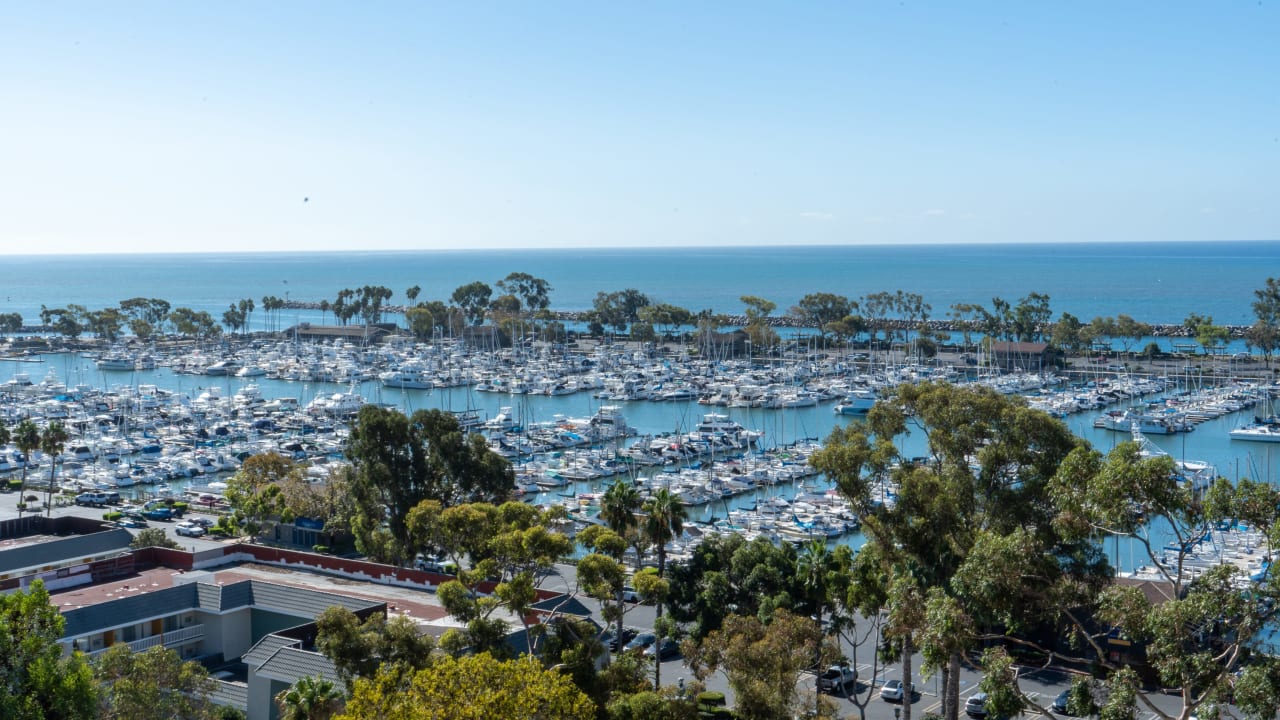
- Harborfront gives you direct access to calm water, boating, and often a private dock or slip arrangement. You trade surf for sheltered cruising and step-to-boat convenience.
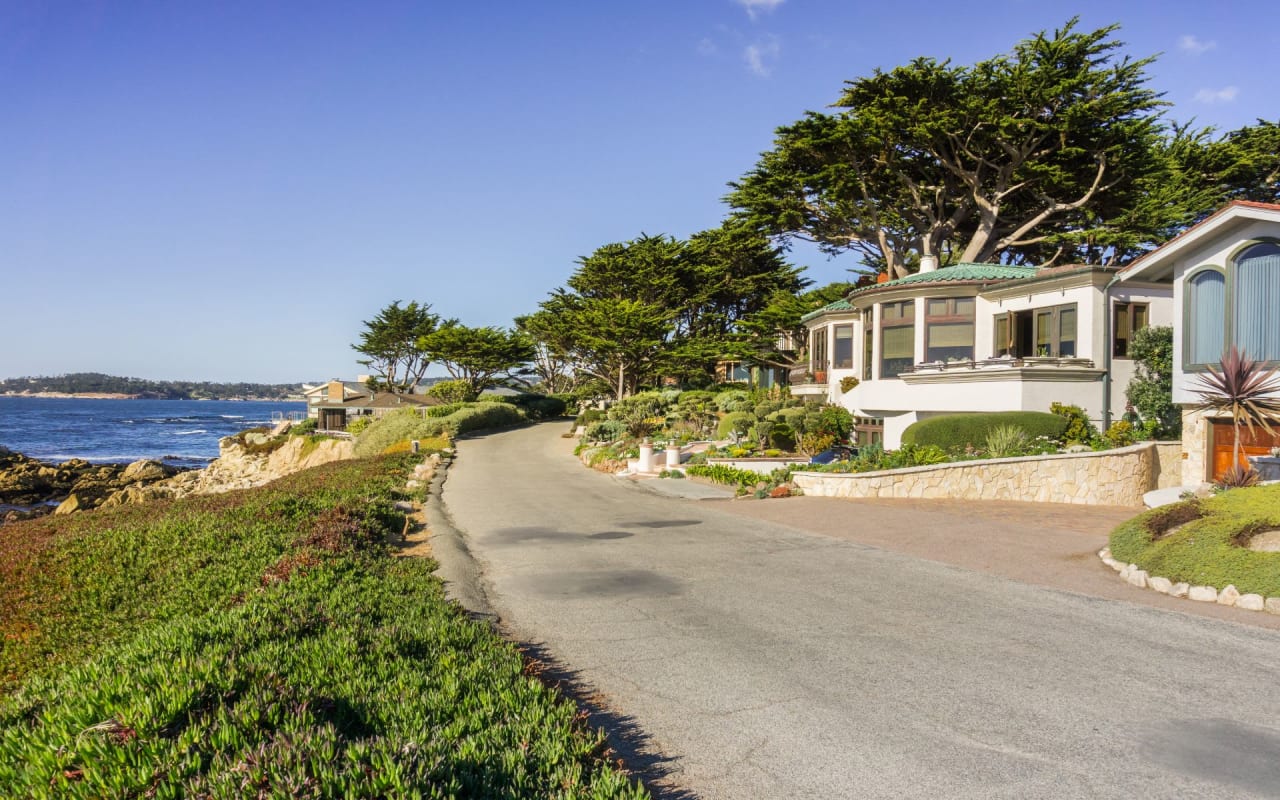
- Oceanfront puts you on the sand with wide views, surf energy, and boardwalk life. You trade dock access for beach access and open-ocean exposure.
- Pricing varies by micro-location. Oceanfront frontage is scarce and often carries a premium. Select harbor enclaves with large docks can match or exceed those premiums.
- Regulations and costs differ. Harbor properties often involve tidelands leases, dock permits, and dredging impacts. Oceanfront involves coastal exposure, beach access rules, and distinct insurance considerations.
Harbor lifestyle: boat-first living
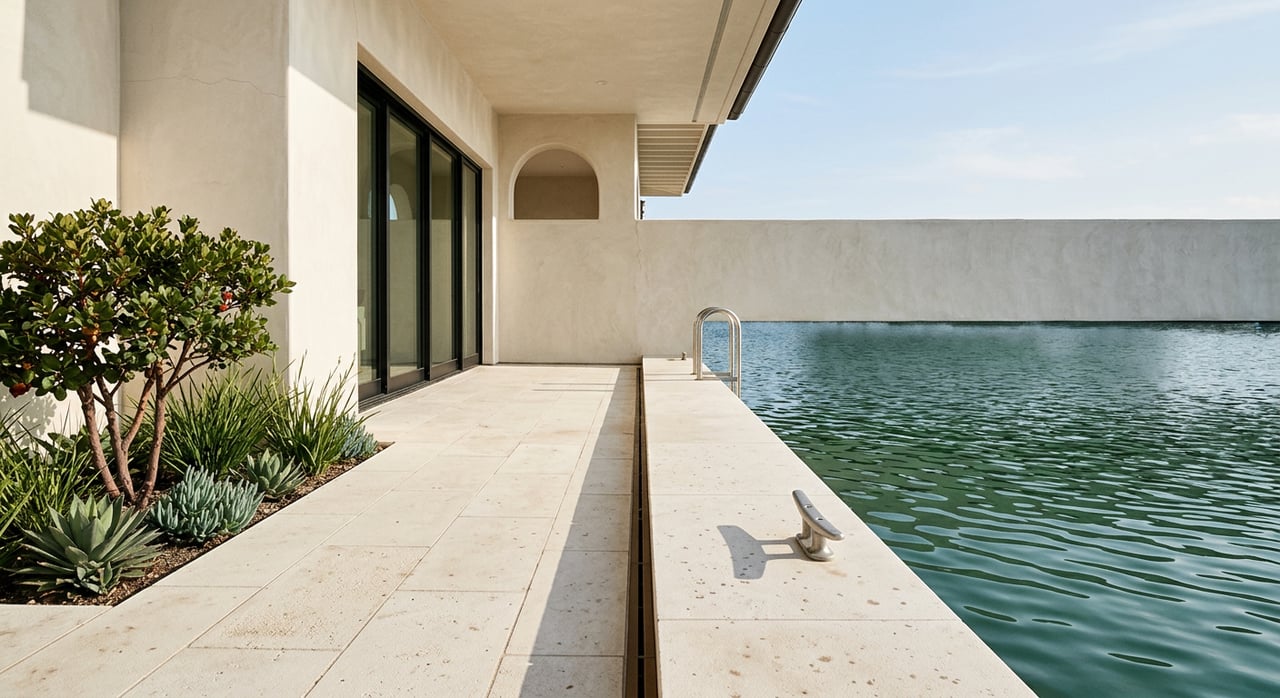
Harborfront living centers on the dock. Many bayfront homes offer a private dock, deeded slip, or HOA/lease access. Stepping from your kitchen to your cockpit can be a daily ritual. Calm water makes it easy to paddle, cruise, and host on board.
The tradeoff is less immediate surf. You still enjoy ocean access by boat, but your front-row experience is about marinas, moorings, and sunset cruises rather than breaking waves.
Boating logistics and dredging
Navigation depends on channel depths, tidal windows, and the size of your boat. The City and U.S. Army Corps coordinate maintenance to restore authorized depths. Review the City’s plans for the Lower Newport Bay dredging program to understand timing, draft constraints, and how work may affect movement in and out of the harbor.
Oceanfront lifestyle: sand and surf
Oceanfront living is about walking straight onto the beach, watching waves, and feeling the energy of the coastline. You are close to surf breaks, lifeguarded beaches, and the boardwalk and pier scene. To preview the vibe, browse a sampler of beachfront views and lookouts in Newport Beach.
The tradeoff is exposure. Oceanfront homes experience stronger wind and wave action. There is no private ocean dock. Building details, maintenance plans, and insurance often look different from harbor homes.
Dock rights, tidelands, and permits
Most of Newport Harbor’s water area lies on state tidelands administered by the City. Many docks are on tidelands and involve leases or permits. Always confirm whether a dock transfers with title or requires City approval. Start with the City’s page on tidelands leases and permits.
Dock and pier projects may also require coastal development permits. Review recorded permit history and any conditions. The California Coastal Commission maintains records that illustrate how approvals work for private docks and piers. See a recent example of coastal development permits to understand typical requirements.
Flood, insurance, and resilience
Flood zones and coastal hazards differ by block. Some areas are mapped in Special Flood Hazard Areas, including coastal V or VE zones with higher wave exposure. Check a property’s status at the FEMA Flood Map Service Center and ask for any elevation certificates.
Lenders usually require flood insurance if the structure is in a mapped SFHA. Fannie Mae allows NFIP or qualifying private flood policies, but coverage must meet strict standards. Review the Fannie Mae flood insurance rules to see how this affects financing and resale.
To visualize long-term coastal dynamics, explore local scenarios in the NOAA Sea Level Rise Viewer. Newport Beach continues to plan and invest in coastal defenses, including seawall and bridge adaptations in select island areas. Ask for the most recent finished-floor elevations, seawall plans, and any assessment details.
Pricing patterns to expect
Citywide, Newport Beach sits among the highest-price markets in Orange County. Recent snapshots place the median sale price in the low-to-mid single millions, around the mid-$3 million range. Within that average, micro-locations vary widely.
- Select oceanfront blocks on the Balboa Peninsula or bluff-front estates in Newport Coast and Corona del Mar often command significant premiums, with trophy properties reaching into eight figures at the top end.
- Premium harbor enclaves such as Lido Isle and Harbor Island frequently trade above city medians. Many homes are positioned for large yachts, which can lift values further.
- Balboa Island shows a mix of compact historic cottages and bayfront estates. Median prices can range widely, depending on whether the data reflects smaller interior cottages or bayfront sales.
Because islands and oceanfront blocks have few transactions, medians swing with each sale. For accurate pricing, evaluate 12-month sold comps on the exact block and adjust for frontage, dock size, view corridor, and condition.
Maintenance and recurring costs
Harborfront upkeep
Budget for docks, floats, pilings, and bulkheads. Routine inspections and periodic replacements are normal, and even in-kind work may need permits. Some docks sit on tidelands and involve lease fees and insurance obligations. Confirm who maintains what, including any HOA responsibilities.
Harbor depths and dredging cycles can impact how and when you move a deeper-draft vessel. Stay in touch with the City’s dredging updates to plan around timing and potential temporary relocations.
Oceanfront upkeep
Ocean exposure means salt, wind, and wave energy. Expect different maintenance plans for exterior materials, foundations, and glazing. Public beach nourishment can help protect shoreline assets in some areas, but private owners may still need to maintain seawalls or other armor where permitted. Your contractor and coastal engineer can tailor a long-term plan to your lot and structure.
Neighborhood snapshots
- Balboa Peninsula: True oceanfront with boardwalk life, wide sandy beaches, and surf breaks. Inventory ranges from classic bungalows to trophy oceanfront estates.
- Balboa Island: Compact lots, historic cottages, and bayfront estates. Many bayfront parcels include private docks or lease arrangements.
- Lido Isle: A man-made island within the harbor with larger bayfront homes and frequent private dock offerings, often positioned for sizable yachts.
- Harbor Island and select bluff fronts: Harbor Island is one of the most exclusive by per-lot value, although sales volume is very limited. Newport Coast and Corona del Mar offer bluff-front estates with expansive views.
Quick due-diligence checklist
- Verify dock status in writing. Is it appurtenant, a tidelands lease, or an HOA slip? Start with the City’s guidance on tidelands leases and permits.
- Pull the FEMA flood map and ask for any Letters of Map Amendment and elevation certificates. Note lender requirements under Fannie Mae’s flood rules.
- Request as-built plans, maintenance records, and coastal permit history for docks, bulkheads, and seawalls. Review a Coastal Commission example of coastal development permits to understand common conditions.
- Check the City’s Lower Newport Bay dredging program for current depths, timing, and navigation impacts.
- Use the NOAA Sea Level Rise Viewer to explore local scenarios and discuss resilience plans with your engineer and insurer.
Which setting fits you best?
Choose harborfront if you want daily boating, calm water, and step-to-slip convenience. You are comfortable managing dock-related permits, tidelands details, and periodic dredging impacts.
Choose oceanfront if you value walking onto the sand, panoramic views, and surf energy. You accept greater coastal exposure and plan for resilient materials, insurance, and maintenance.
Still torn? A thoughtful strategy can balance lifestyle goals, budget, and long-term value. If you would like a private consultation and a custom plan for your search or sale, connect with Danielle Wilson.
FAQs
Will a harbor home let me reach the ocean any time?
- Not always. Transit depends on your boat’s draft, channel depths, bridge clearances, and tides. The City’s Lower Newport Bay dredging program outlines depth targets that influence when and how deeper-draft boats can move.
Do oceanfront owners control the beach in front?
- No. Under California’s public-trust framework, most foreshore below the mean high tide is public. Review the state’s public trust guidance for context on boundaries and access.
Will my lender require flood insurance on a waterfront home?
- If any part of the structure is in a mapped Special Flood Hazard Area, lenders usually require coverage that meets NFIP or qualifying private standards. Check the FEMA map and see Fannie Mae’s rules.
What permits apply to docks or seawalls in Newport Harbor?
- Many docks rest on state tidelands with City-administered leases or permits. Projects may also need coastal development permits. Start with City tidelands leases and permits and review a Coastal Commission permit example.
How do prices compare between harbor and oceanfront areas?
- Oceanfront scarcity typically commands a premium, especially on select peninsula and bluff-front blocks. Premium harbor enclaves with large docks can match or exceed those levels. Because sales are limited in these micro-markets, rely on 12-month closed comps for the exact block.