Dreaming of a Laguna Beach home perched above the Pacific, with sunsets that seem close enough to touch? You are not alone. If the term “coastal bluff property” has caught your eye in listings, it helps to know what it actually means for daily living, permits, maintenance, and value. This guide breaks down the essentials so you can shop with confidence and plan your next step. Let’s dive in.
Coastal bluff basics
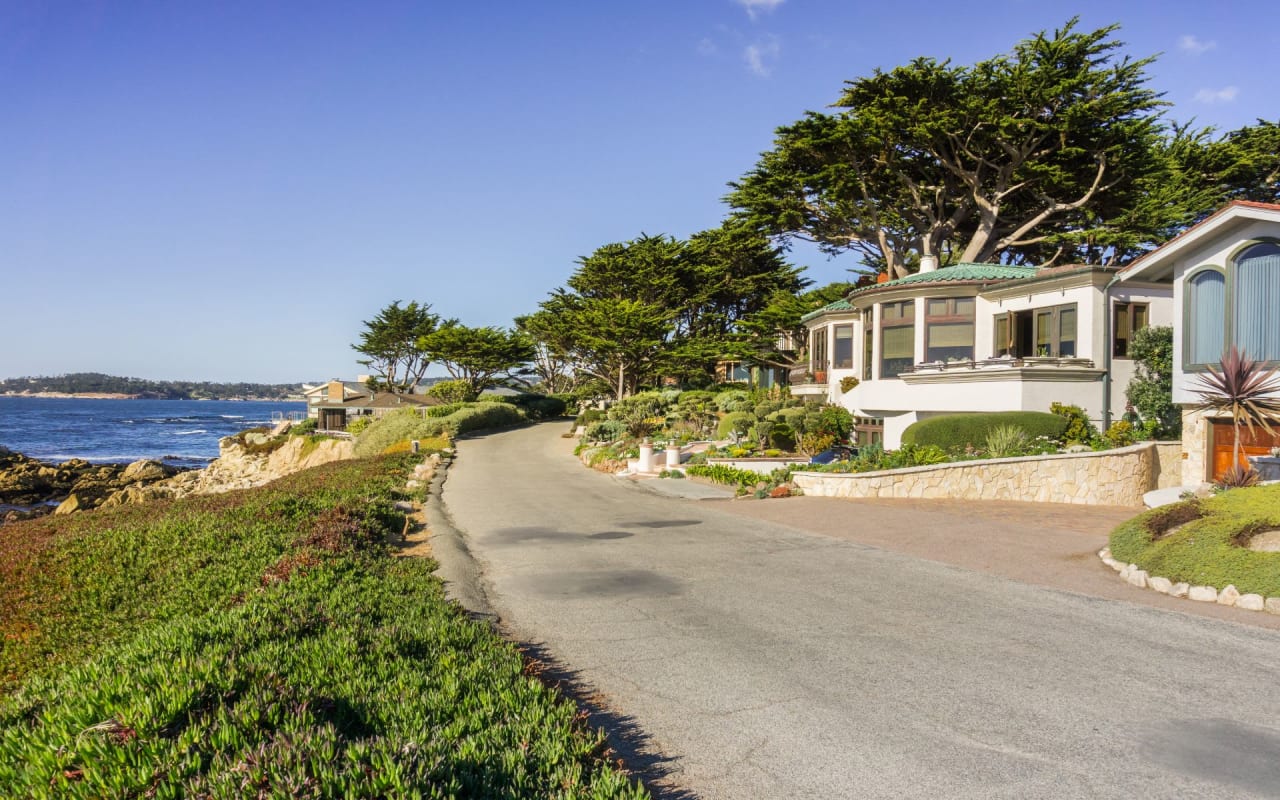
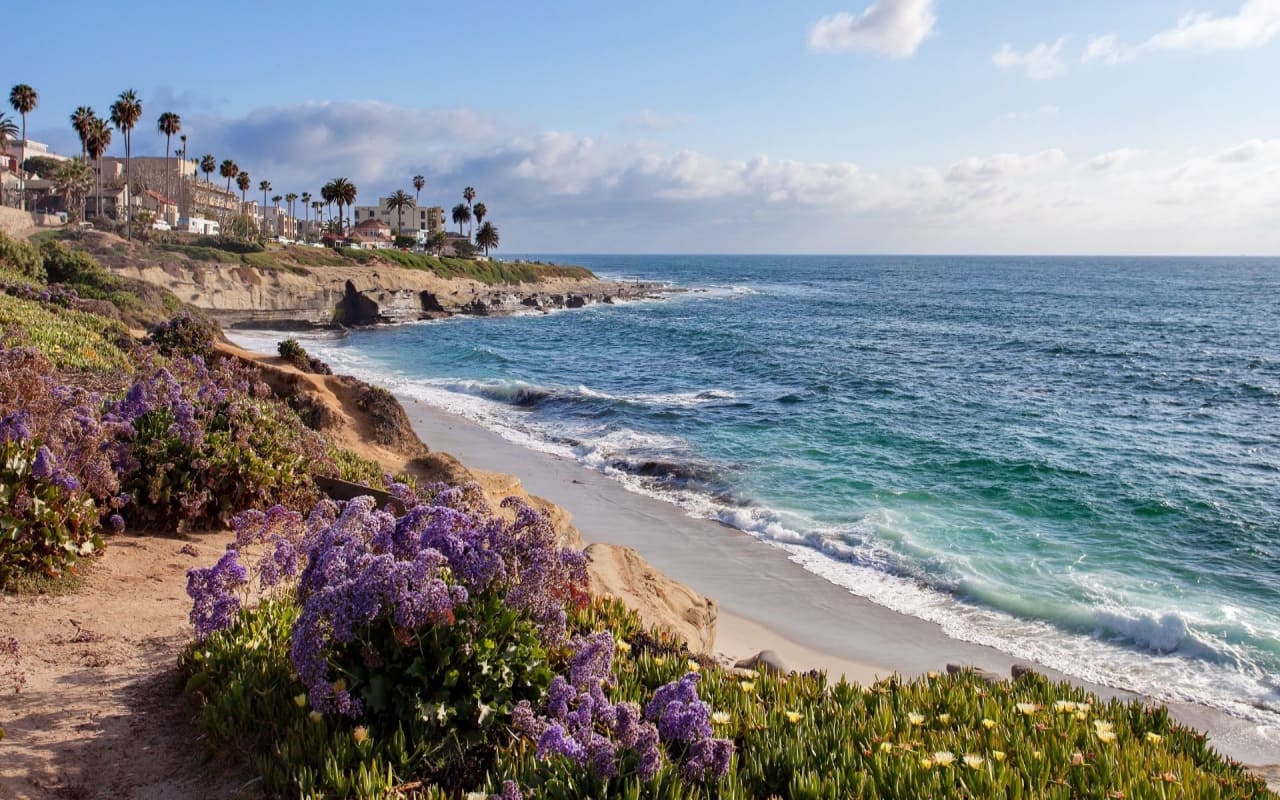
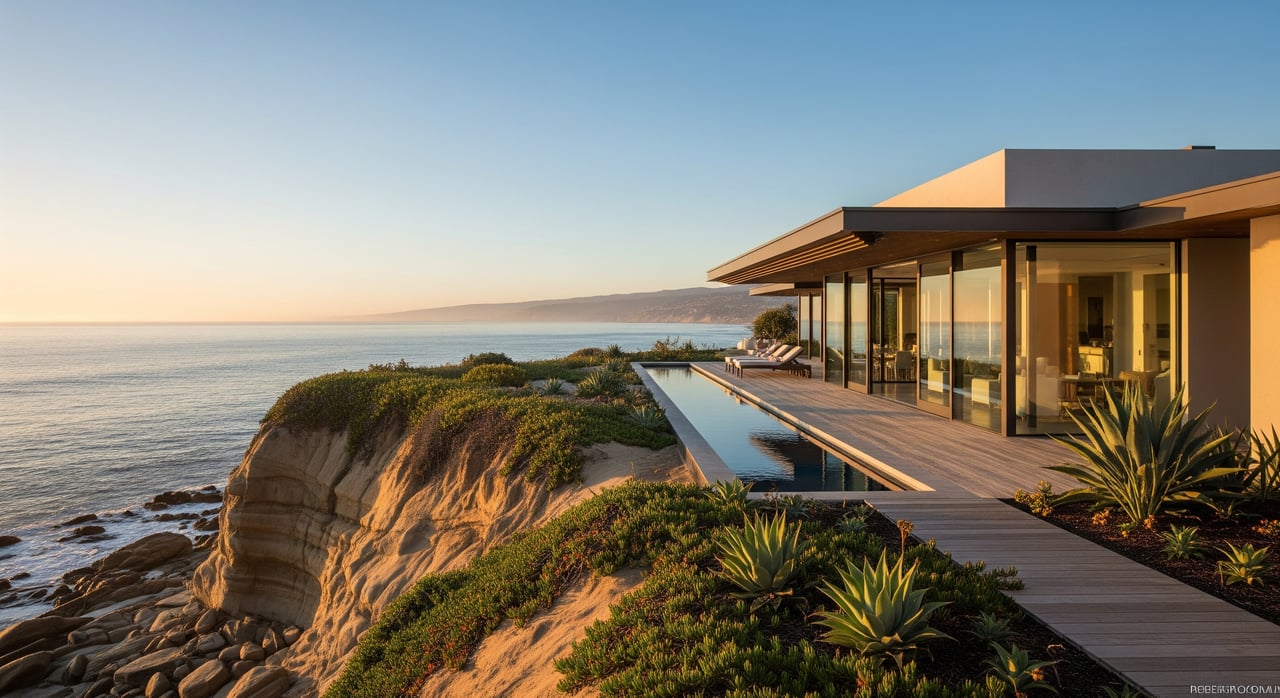
A coastal bluff is the elevated slope or cliff above the shoreline. In everyday language, you will see phrases like “bluff-top,” “bluff-front,” “oceanfront,” and “ocean view.” These describe how a home relates to the bluff and the water but they are not legal definitions.
For planning and permitting, the exact location of the bluff edge and slope matters. Professionals use surveys and geotechnical studies to locate the “top of bluff” and “toe of bluff.” Those locations influence setbacks, building approvals, and what you can change over time.
How to tell if a home is on a bluff
What to look for in documents
- Property plat and title report to confirm parcel lines and any recorded easements.
- Topographic survey that maps elevation contours and helps locate the bluff edge.
- Geotechnical or soils report that evaluates bluff stability and retreat.
- Local planning documents that flag bluff hazard areas, view corridors, or public access.
Maps and surveys that help
FEMA flood maps show flood and coastal floodplain zones, not long-term bluff erosion or retreat. To understand bluff risk, you need site-specific geotechnical reports and historical records, not just flood data. City and state resources can also identify landslide mapping, habitat areas, and coastal overlays that affect development.
Listing terms to decode
- “Oceanfront” or “bluff-front” means immediate adjacency to the cliff edge and the highest hazard exposure.
- “Bluff-top” or “ocean view” homes may sit farther back from the edge, which can lower immediate collapse risk but still requires attention to long-term erosion.
- “Beach access easement” or “public accessway” signals a right-of-way that may cross or border the property, affecting privacy and use.
Rules that shape what you can do
State coastal rules
California’s Coastal Act requires development to be sited and designed to avoid geologic hazards and protect coastal resources and public access. Coastal Development Permits are reviewed against these standards. New hard shoreline armoring is closely scrutinized because it can impact beaches and public access.
Laguna Beach LCP and permits
Laguna Beach administers coastal rules locally through its Local Coastal Program and municipal code. Expect requirements for site-specific geotechnical studies, clear siting standards relative to bluff edges, and attention to view corridors and public access. Environmentally sensitive habitat designations can add extra protections and limits.
Setbacks and design life
Setbacks from the bluff edge are typically set by a licensed geotechnical professional and approved by the city. Analysts consider current stability, erosion and retreat rates, and the intended design life of the structure, often 50 to 100 years. The goal is to keep development safely outside the area that could be affected by future bluff retreat.
Habitat, access, and views
Some bluff slopes support sensitive coastal habitat. If your site falls within these areas, rules may limit grading, vegetation removal, and hardscaping, and require mitigation. Public access policies and mapped view corridors can influence where and how you build or remodel.
Seawalls and armoring
Hard armoring such as seawalls and revetments is heavily regulated. These structures can change natural sand movement and accelerate beach loss. Approvals often require strong engineering and environmental justification, and they may be conditioned or denied if feasible alternatives exist.
Risks, upkeep, and insurance
Physical hazards
Coastal bluffs naturally erode and retreat due to wave attack, storms, and undercutting. Slope failure can be influenced by soil types, steepness, groundwater, grading, and vegetation removal. Severe storm seasons can accelerate erosion, and the marine environment can corrode metals and degrade building materials.
Ongoing maintenance
- Proactive drainage control to keep runoff away from the bluff face.
- Regular geotechnical inspections and monitoring near the edge.
- Vegetation management that aligns with habitat rules, often favoring native plants.
- Timely repair of retaining walls, decks, and terraces, with permits where required.
- Potential stabilization measures if retreat accelerates, guided by engineering.
Insurance and lending
Standard homeowners insurance may not cover gradual erosion or earth movement. Flood insurance can address certain inundation risks but not long-term bluff retreat. Lenders may ask for geotechnical evidence of stability, which can affect financing terms and approvals.
Smart buyer due diligence
Request these documents
- Current title report and all recorded easements.
- Recent topographic survey and boundary map.
- Latest geotechnical or soils report and any slope-stability assessments.
- Permit history and Coastal Development Permits for past work.
- FEMA flood zone information and any local flood studies.
- Prior engineering and inspection reports, maintenance records, and dated photos of the bluff.
- Natural Hazard Disclosure and other required seller disclosures.
- HOA documents if a community association manages bluff areas.
Questions to ask
- Where are the property lines relative to the top of bluff, and has the edge moved since the last survey?
- Are public access or view easements recorded on the parcel?
- What slope remediation has been done, and were permits obtained?
- Is there any history of slope movement, block failures, or emergency repairs?
- What permits would be needed for near-edge repair, replacement, or expansion?
- What insurance is in place now, and what exclusions apply?
- Are nearby seawalls or revetments affecting local beach dynamics?
On-site inspection tips
- Walk the yard and look for cracks, subsidence, slumping, or exposed roots near the edge.
- Trace drainage paths. Avoid concentrated runoff or irrigation toward the bluff face.
- After storms, check for fresh erosion at the bluff toe if safely visible.
- Measure how close decks, patios, and accessory structures are to the edge.
Value, lifestyle, and fit
Coastal bluff ownership delivers unmatched views, privacy, and a front-row seat to Laguna Beach’s shoreline. That premium experience comes with trade-offs: higher maintenance, careful permitting, possible limits on future changes, and more complex insurance and financing. If you want the view without as much complexity, consider properties set farther back with documented stability.
Homes nearest the edge often command attention and value. They can also be more challenging to finance and insure. A thoughtful plan, clear reports, and the right team help you enjoy the lifestyle while protecting your investment.
Plan your next step
If a bluff-top view calls to you, start with clarity. Gather the right reports, understand the rules, and price the ongoing care into your decision.
When you are ready to tour or want a second set of eyes on a property file, connect with a local team that lives this market every day. Work with Danielle Wilson to align your search with your lifestyle and risk comfort.
FAQs
What is a coastal bluff property in Laguna Beach?
- A home located on or near the elevated slope above the shoreline, where the exact bluff edge and slope are defined by surveys and geotechnical studies for permitting and safety.
Do I own the beach if my home sits on a bluff?
- Not necessarily. Beach ownership depends on the mean high tide line and any recorded easements, so bluff ownership does not guarantee beach ownership or exclusive access.
Can I build near the bluff edge in Laguna Beach?
- Generally no without significant analysis. Setbacks are site-specific and based on geotechnical reports that consider erosion, stability, and the structure’s design life.
Do FEMA flood maps show bluff erosion risk?
- No. FEMA maps address flood and tidal inundation, not long-term bluff retreat or slope failure. You need geotechnical studies and historical records for that.
Is a seawall an easy fix for erosion in Laguna Beach?
- No. Hard armoring is heavily regulated because it can affect beaches and public access. Approvals require strong justification and may be limited or denied.
What ongoing costs should bluff owners expect?
- Budget for drainage management, periodic geotechnical inspections, vegetation care, structural maintenance, possible stabilization, and potentially higher insurance costs.
How do public access easements affect bluff homes?
- Recorded easements can cross or border private property, influencing privacy and how you use outdoor areas. Always review title and maps before you buy.