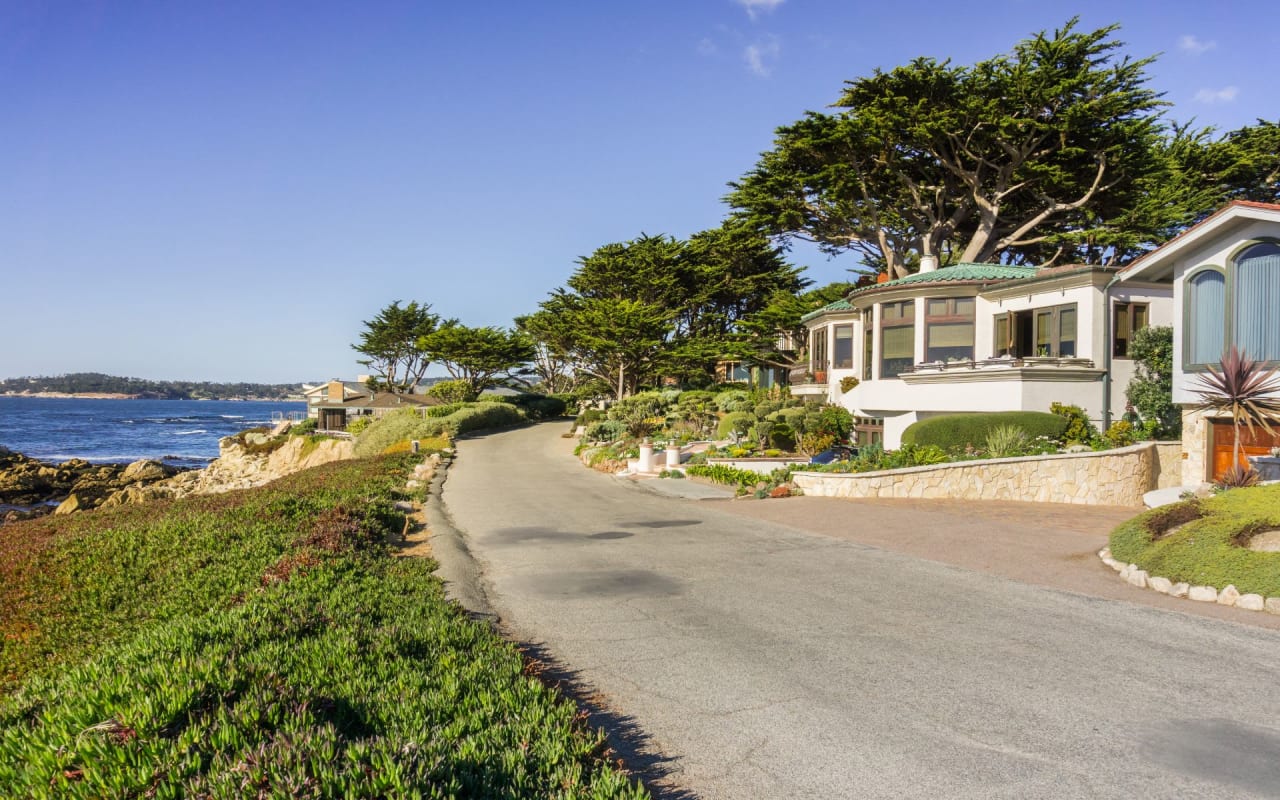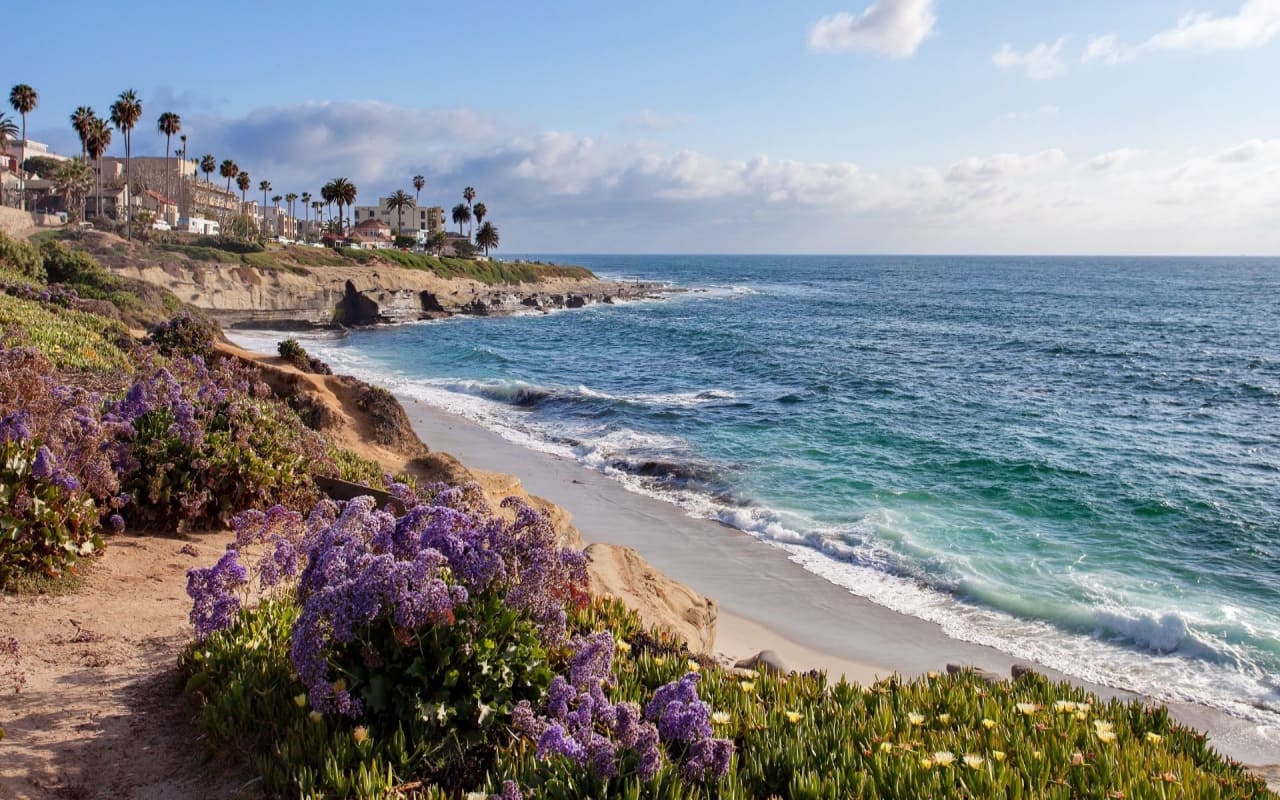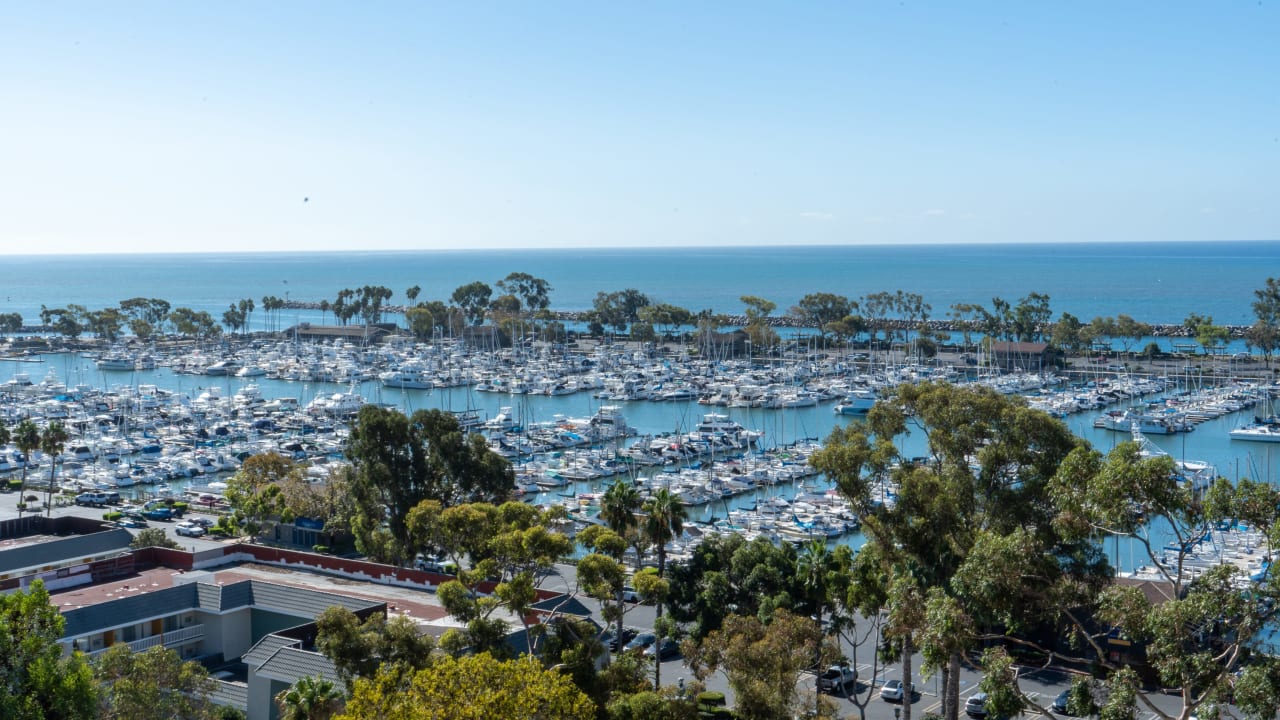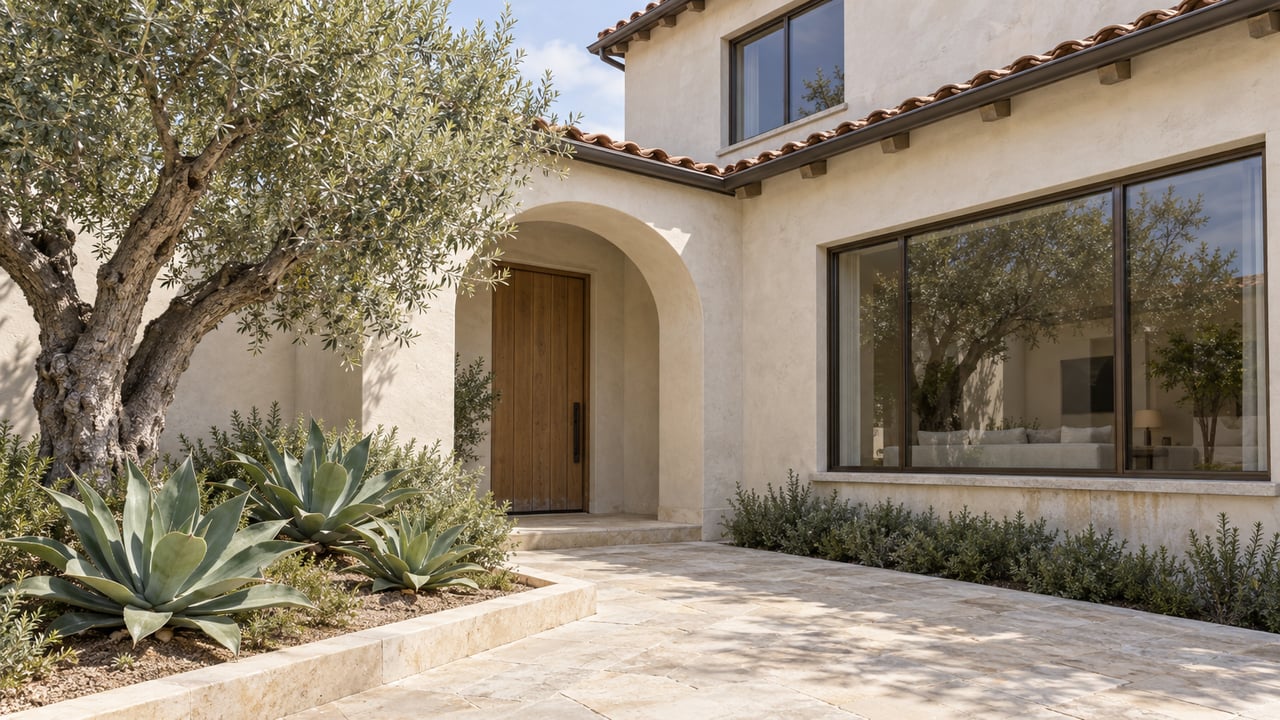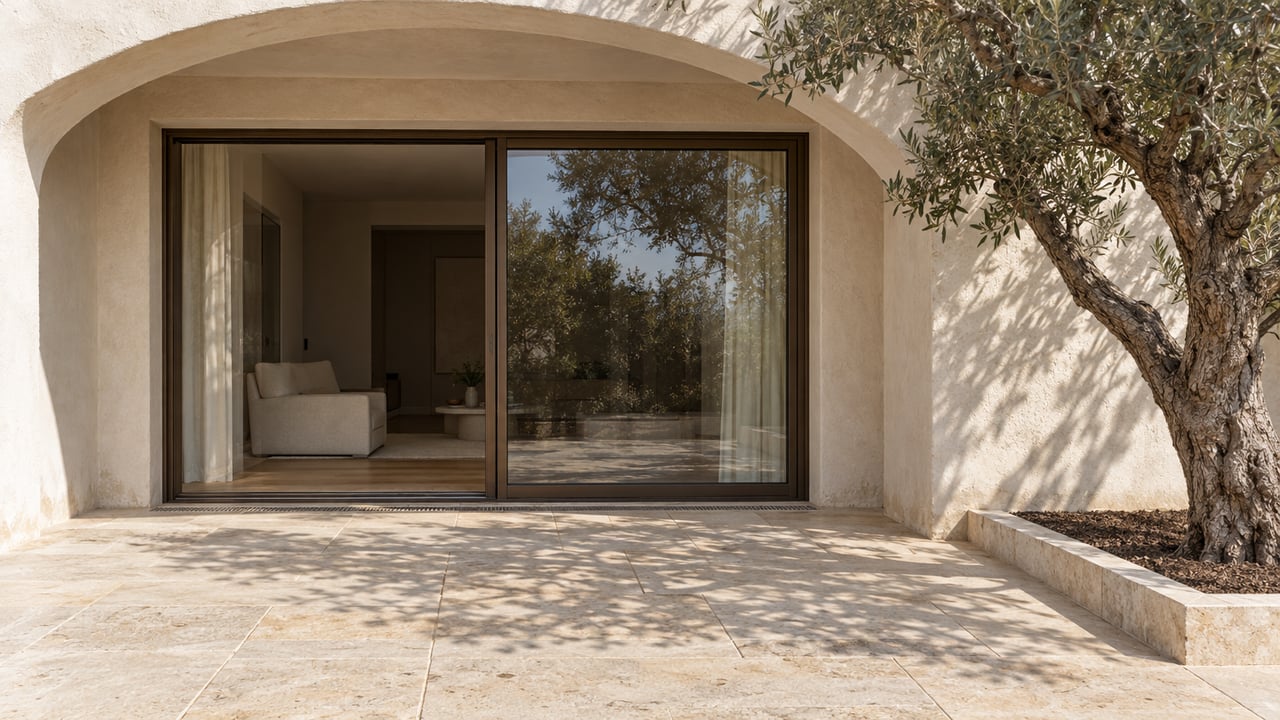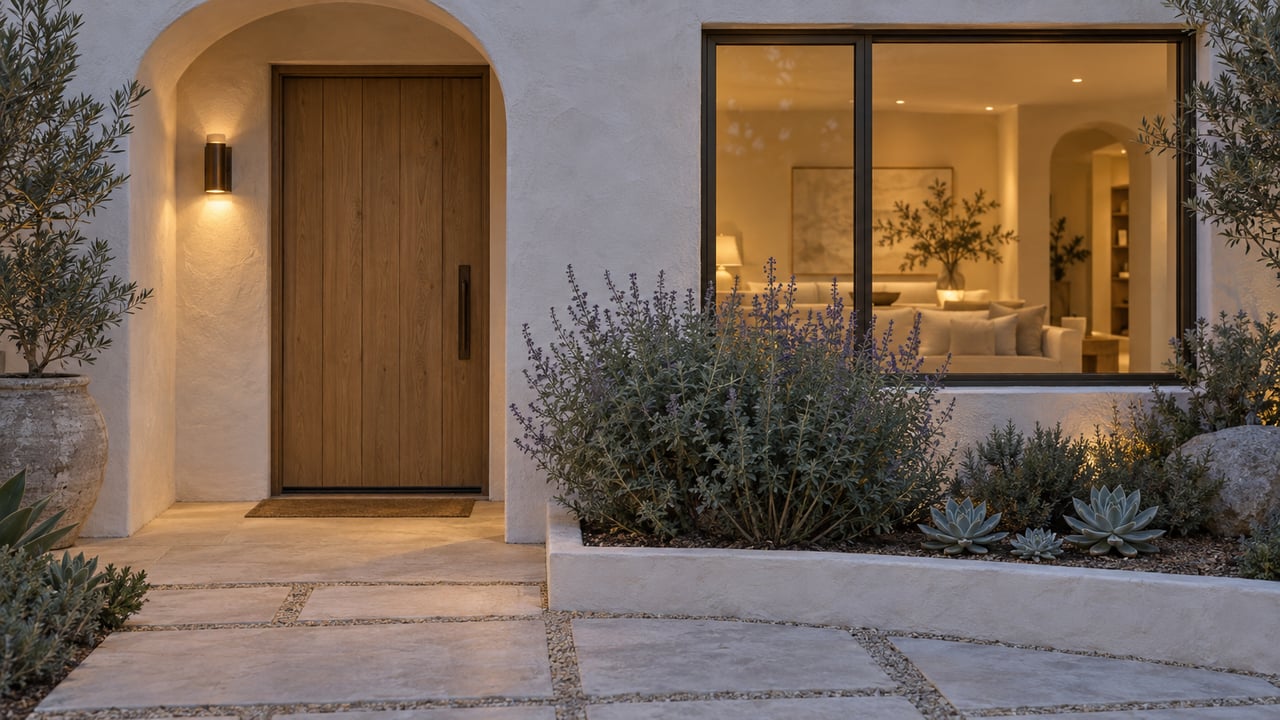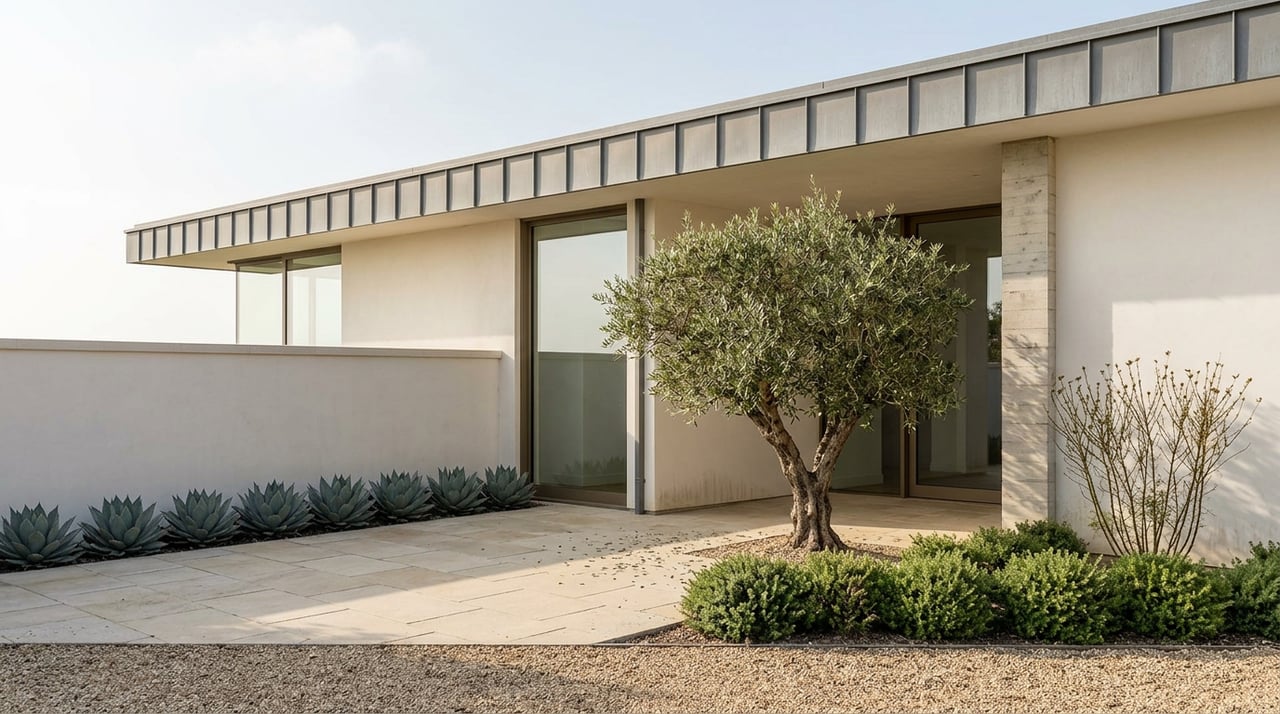
Two homes listed at $1.75 million in San Clemente this summer. One sits four blocks from the pier in Southwest. The other is a newer single-family in Talega with a three-car garage and a community pool three streets over. On the portal, they read as substitutes. On the tax bill, they are not the same house at all.
The San Clemente median list price sat at $1.85 million in July 2026, with homes moving in a median of 56 days. Redfin put the March 2026 median sale at $1.7 million. Those numbers are accurate, and they are also close to useless for the buyer choosing between coastal Southwest and inland Talega. The median flattens a market that operates on two different pricing engines: one where you pay the premium in list price, and one where you pay it in a special tax the portal never surfaces.
The number that decides the comparison isn't on the listing
Talega was built out mostly between the late 1990s and the 2010s under a Community Facilities District structure. That CFD funded the roads, the parks, the trails, and portions of the schools the community sits inside. It is repaid through a special tax added to the property tax bill on every parcel inside the district. In Talega, that tax typically runs between $4,000 and $10,000 per year, and in some sub-tracts higher.
Southwest San Clemente was built organically, decades earlier, on land that was never inside a CFD. The base 1 percent property tax under Proposition 13 applies. Small school and municipal assessments layer on top. No Mello-Roos.
That is the mechanism. The rest of this piece is what it does to the buyer.
Same price, different purchase
Set two hypothetical purchases side by side. Both are $1.75 million, both financed with 20 percent down at a 6.25 percent 30-year fixed rate. The Southwest home carries only base property tax and a modest school assessment. The Talega home carries an additional $7,500 in annual CFD special tax, roughly the midpoint of the reported Talega range.
| Line item | Southwest (Pier Bowl area) | Talega (mid-range CFD parcel) |
|---|---|---|
| Purchase price | $1,750,000 | $1,750,000 |
| Principal and interest at 6.25% | ~$8,620 / mo | ~$8,620 / mo |
| Base property tax (~1.1% effective) | ~$1,600 / mo | ~$1,600 / mo |
| Mello-Roos (CFD special tax) | $0 | ~$625 / mo |
| HOA dues (typical range) | $0 to modest | $200 to $350+ / mo |
| Approximate monthly carrying cost | ~$10,200 | ~$11,050 to $11,200 |
The Talega buyer is spending roughly $850 more per month, or over $10,000 per year, for the same nominal purchase price. Across a seven-year hold, that is more than $70,000 of after-tax cash that the portal comparison never disclosed. Lenders count all of it against debt-to-income when qualifying the loan, which is where the second-order effect lives: at a given income, the Talega buyer qualifies for less house than the Southwest buyer, even though the sticker price is identical.
That is not an argument against Talega. Talega buyers are getting newer construction, HOA-maintained amenities, three thousand acres of planned open space, and floor plans that Southwest's older stock rarely offers. The point is narrower: the two homes are not priced the same, and the market knows it.
Why Southwest resists the same math
Southwest San Clemente has been under 2 months of inventory across most price brackets through the first half of 2026. Talega has been similarly tight. Forster Ranch and Southeast San Clemente have loosened to roughly 3 to 4 months of supply, which is where a buyer with negotiating patience actually gains leverage.
Southwest's premium shows up in list price rather than carrying cost. Single-family entry in the Pier Bowl and the streets climbing off Avenida Del Mar starts around $2 million, with ocean-view and beach-access parcels moving into the $2.5 million to $5 million range. The Riviera and Cyprus Shore sit above that. The premium is walkability to the pier, the beach trail, Casa Romantica, and the restaurant grid downtown. It is also scarcity: land does not get made on the ocean side of the 5, and the housing stock is largely mid-century and older, which means most of what trades is a resale rather than a new build.
The Talega buyer is trading walkability for square footage, newer systems, and community infrastructure. The Southwest buyer is trading square footage for a lower monthly nut and a location that carries its own resale story. Both are rational choices. Only one of them shows the tax cost on the listing.
The sub-tract problem inside Talega
There is no single Talega Mello-Roos number, and any agent quoting one is guessing. Talega contains roughly 40 distinct neighborhoods, and the CFD structure was layered across them in phases. Cantobrio, Farralon, San Rafael, Miraleste, Mirador, Carmel, and Monterey each sit on different sub-district and bond schedules. Two homes on adjacent streets can carry meaningfully different special taxes because they were parceled into different CFDs, or into different tax categories inside the same CFD.
The only reliable number is the current tax bill for the specific parcel. Pull the Assessor's Parcel Number from the listing, look it up on the Orange County Treasurer-Tax Collector portal, and read the line items. That is the number your lender will use, and it is the number you should model.
One more wrinkle worth knowing before an offer goes out. In 2014, Capistrano Unified refinanced the bonds behind a Talega CFD and, after a homeowner-led campaign, passed roughly $17 million in savings back to Talega taxpayers, cutting the average annual levy by about $314. That episode is the useful precedent for a buyer today: CFD amounts are not frozen. They can be refinanced up, or extended for new projects, or, less often, refunded down. Ask the title company for the CFD's Rate and Method of Apportionment and the current Official Statement before contingencies release. The maturity date on the bonds is the number that matters for a long hold.
The mistake we watch buyers make most often is treating the special tax as a small line item to sort out during escrow. By escrow, the loan is already sized against it, and the offer is already priced against a comp set the buyer never adjusted.
What this changes about the offer
For a buyer weighing Southwest against Talega on similar list prices, three things move to the front of the checklist.
- Pull the APN and the current property tax bill before writing the offer, not after. The Orange County Treasurer-Tax Collector maintains the bill lookup by parcel; the CFD line item is disclosed there in dollars.
- Ask the lender to re-run qualification with the actual annual CFD amount included in PITI. On a stretched buyer, the same list price can qualify in Southwest and not qualify in a higher-CFD Talega parcel.
- Request the CFD's RMA and bond maturity through the title company. If the seller cannot produce it, the title company can. This is where you learn whether the tax steps down as bonds amortize or continues indefinitely for services.
For a seller in Talega, the same mechanism runs in reverse. Pricing to the median obscures that your buyer pool is qualifying against a monthly payment that is $500 to $800 higher than a Southwest comparable at the same list price. Presentation, condition, and marketing have to close that gap. A stale listing in Talega gets punished for a reason the seller can rarely see from inside the community.
Questions we hear before offers go in
Does every Talega home carry Mello-Roos? Most do, but not all, and the amounts vary by parcel and sub-tract. Older Talega homes typically carry less than newer ones. Verify by APN on the current tax bill.
Do Southwest homes ever have Mello-Roos? Rarely. Marblehead's Sea Summit and portions of Forster Ranch carry CFD assessments because they are more recent master-planned builds. The Pier Bowl, Riviera, and the historic streets around Avenida Del Mar generally do not.
Will the Mello-Roos ever go away? Some CFDs end when the underlying bonds mature, usually 30 to 40 years from issue. Others continue for services, or are refinanced and effectively extended. The RMA and the Official Statement define the term for the specific parcel.
How do lenders treat it? The full annual CFD tax gets divided by 12 and added to your monthly housing expense for debt-to-income ratios, whether or not it is escrowed. That is what compresses purchasing power on higher-CFD parcels.
The median is a summary statistic. It was never designed to answer the question a buyer is actually asking, which is what a given monthly payment buys on which street. San Clemente rewards the buyer who reads past it, and the seller who prices to the buyer's real math rather than to the portal's headline number.
If you are weighing a Southwest offer against a Talega offer this season, or preparing a Talega listing that needs to compete against Southwest comparables, Coastal OC Real Estate Group will walk the exact parcels, pull the tax bills, and build the carrying-cost model with you before an offer is written. Work With Us.